
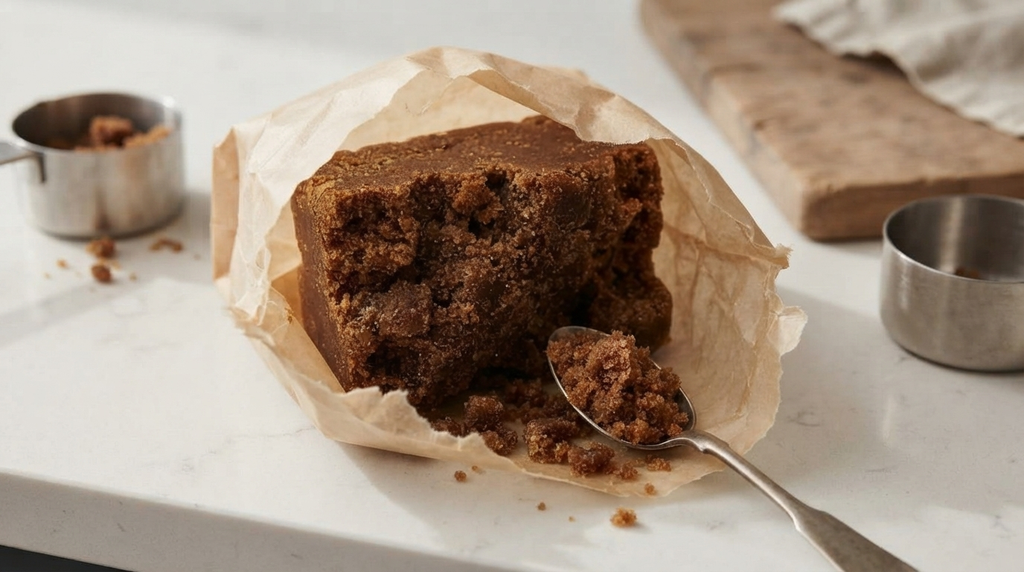
Have you ever opened your brown sugar container while baking cookies, only to discover that the sugar has turned into a hard, solid lump? It is a common kitchen problem, especially when brown sugar has been exposed to air for too long. Instead of flowing easily from the container, it becomes stiff, clumpy, and difficult to measure.
The good news is that you do not have to throw it away or rush to the grocery store for a new bag. There are several simple ways to restore its soft texture using items you probably already have in your kitchen.
If you are wondering how to soften hard brown sugar fast (5 quick fixes), this guide will walk you through five practical methods, from using a microwave to placing a slice of bread in an airtight container. You will also learn why brown sugar hardens, how to prevent it from happening again, and which method works best when you need soft sugar immediately.
Table of Contents
How to Soften Hard Brown Sugar Fast for Baking
If you need to know how to soften hard brown sugar fast, the microwave method is a great choice when you are preparing cookies, cakes, or muffins. Use short heating intervals and check the sugar frequently to prevent it from melting.
Easy Ways to Soften Brown Sugar
Learning how to soften hard brown sugar fast can save time in the kitchen and prevent food waste. Store your softened brown sugar in an airtight container to help maintain its moisture and keep it ready for your next baking recipe.
Why Does Brown Sugar Become Hard?
Before choosing a method, it helps to understand why brown sugar loses its softness.
Brown sugar contains molasses, which gives it its characteristic color, moisture, and rich flavor. When the sugar is stored in an open bag or loosely covered container, moisture gradually escapes. As the sugar crystals become drier, they stick together and form a hard mass.
Temperature changes and poor storage conditions can also contribute to the problem. Even brown sugar that was soft when purchased can become difficult to scoop after sitting in a kitchen cupboard for several weeks.
Is Hard Brown Sugar Still Safe to Use?https://www.fsis.usda.gov/food-safety?utm_source=chatgpt.com
In many cases, yes. Brown sugar that has hardened simply because it lost moisture is generally still usable.
However, check the sugar before trying to soften it. If you notice mold, unusual discoloration, insects, or an unpleasant smell, discard it. Softening methods cannot make spoiled or contaminated food safe.
If the sugar looks and smells normal, you can usually restore its texture without affecting its flavor.
How to Soften Hard Brown Sugar Fast: 5 Quick Fixes
The best method depends on how quickly you need the sugar. If you are already preparing cookie dough, the microwave may be your fastest option. If you have a little more time, a slice of bread or a damp paper towel can help restore moisture.
1. Use the Microwave for an Instant Fix
The microwave is one of the fastest ways to soften hard brown sugar. It is especially useful when you need only a small amount for a recipe.
What you need:
- Hard brown sugar
- A microwave-safe bowl
- A slightly damp paper towel
Instructions:
- Place the amount of brown sugar you need in a microwave-safe bowl.
- Cover the bowl with a damp paper towel.
- Microwave for approximately 10–15 seconds.
- Remove the bowl carefully and check the texture.
- Break apart the softened sugar with a fork.
- Repeat in short intervals if necessary.
The damp paper towel creates a moist environment that helps soften the sugar without adding too much water directly to it.
Important tip: Do not microwave the sugar for too long in one go. Excessive heat can melt the sugar, create hot spots, or make it sticky. Use short intervals and allow the sugar to cool slightly before handling it.
This method is ideal for last-minute baking because it can soften small quantities in less than a minute.
2. Add a Slice of Bread
Using bread is a simple, popular way to soften brown sugar without heating it.
What you need:
- Hard brown sugar
- One slice of fresh bread
- An airtight container
Instructions:
- Transfer the hardened brown sugar into a clean, airtight container.
- Place a slice of fresh bread on top of the sugar.
- Close the lid securely.
- Leave the container for several hours or overnight.
- Check the sugar and remove the bread once the sugar becomes soft.
Moisture gradually moves from the bread into the surrounding environment and helps the brown sugar regain its softer texture.
White bread and whole-wheat bread can both work. Choose a fresh slice rather than stale bread because the goal is to introduce moisture.
Best for: People who want to soften a larger amount of brown sugar without using a microwave.
Remember to remove the bread after the sugar has softened. Do not leave it inside indefinitely, as bread can spoil or develop mold.
3. Use a Damp Paper Towel Overnight
If you do not have bread available, a damp paper towel is another convenient option.
What you need:
- Hard brown sugar
- A clean, slightly damp paper towel
- An airtight container
Instructions:
- Break the sugar into smaller chunks if possible.
- Place it inside a suitable container.
- Dampen a paper towel with clean water and squeeze out the excess.
- Place the towel over the opening of the container, ensuring it does not directly touch the sugar.
- Close the container if the design allows, and check the sugar after several hours.
- Remove the towel once the sugar is soft.
The moisture in the towel helps create a humid environment, allowing the sugar to soften gradually.
For moderately hardened brown sugar, this method may work within a few hours. Very hard sugar may need more time.
Best for: Anyone who wants to restore brown sugar overnight using basic household supplies.
Avoid using a soaking-wet towel. Too much moisture can make the sugar wet, sticky, or unevenly softened.
4. Place an Apple Slice in the Container
An apple slice can also help soften hardened brown sugar by releasing moisture.
What you need:
- Hard brown sugar
- One fresh apple slice
- An airtight container
Instructions:
- Put the brown sugar in a clean container.
- Add a fresh apple slice on top.
- Close the lid tightly.
- Check the sugar after a few hours.
- Remove the apple as soon as the sugar becomes soft.
This method is convenient if you already have an apple in your kitchen. It may take several hours or overnight, depending on how dry the sugar has become.
However, apples contain natural sugars and moisture, so they can affect the surrounding food environment. Use a clean container, monitor the process, and remove the apple promptly. Do not leave fruit in the container for an extended period.
Best for: Softening brown sugar when you have time to wait and prefer not to use a microwave.
5. Use a Brown Sugar Saver
A brown sugar saver is a small reusable clay disk designed to help maintain moisture in stored brown sugar.
What you need:
- A food-safe brown sugar saver
- Water, according to the product instructions
- An airtight container
Instructions:
- Prepare the clay disk according to the manufacturer’s instructions, usually by briefly soaking it in water.
- Pat away excess surface water.
- Place the disk in the brown sugar container.
- Close the lid securely.
- Check the sugar periodically.
The disk releases moisture gradually, helping the sugar stay soft. If your brown sugar is already extremely hard, it may take some time for the texture to improve.
A brown sugar saver is particularly useful if you bake frequently and want to avoid repeating the same problem.
Best for: Regular bakers who want a reusable solution for keeping brown sugar soft.
Always use a product intended for food storage and follow its cleaning and rehydration instructions.
Which Brown Sugar Softening Method Works Best?
Each method has its advantages. Use this quick comparison to choose the best option for your situation.
| Method | Approximate Time | Best Use |
|---|---|---|
| Microwave and damp paper towel | Seconds to a minute | Immediate baking needs |
| Slice of bread | Several hours or overnight | Larger quantities |
| Damp paper towel | Several hours or overnight | A simple household solution |
| Apple slice | Several hours or overnight | When fruit is available |
| Brown sugar saver | Varies | Long-term moisture control |
These times are estimates. Very hard, dry sugar may require additional time, and the microwave method requires frequent checking.
If you need soft brown sugar right away, start with the microwave. If you are preparing ingredients for tomorrow’s baking, the bread method may be more convenient.
How to Prevent Brown Sugar from Hardening Again
Once you have softened your sugar, proper storage can help keep it that way.
Store Brown Sugar in an Airtight Container
Air exposure is one of the main reasons brown sugar loses moisture. Transfer it from its original packaging into a clean, airtight container with a secure lid.
Choose a container that fits the quantity of sugar without leaving excessive empty space. Store it in a cool, dry cupboard away from direct sunlight and heat sources.
Keep It Away from Moisture and Heat
Although brown sugar needs moisture to remain soft, you should not store it in a place where water can enter the container.
Avoid keeping it near a steaming kettle, stove, or sink. These areas can introduce unwanted moisture and temperature changes.
The goal is to retain the sugar’s natural moisture while protecting it from outside contaminants.
Consider a Brown Sugar Saver
If you bake regularly, a reusable brown sugar saver can help maintain the right texture. Follow the manufacturer’s directions for preparing the disk and checking its condition.
You do not necessarily need a special product, though. A well-sealed container is a good starting point for most households.
Avoid Leaving the Bag Open
After measuring brown sugar, close the original packaging securely if it is resealable. If it is not, transfer the remaining sugar to an airtight container.
Even leaving the bag open for short periods repeatedly can allow moisture to escape over time.
Easy Ways to Soften Brown Sugar
Learning how to soften hard brown sugar fast can save time in the kitchen and prevent food waste. Store your softened brown sugar in an airtight container to help maintain its moisture and keep it ready for your next baking recipe.
Can You Soften Brown Sugar Without a Microwave?
Yes. You can soften brown sugar without a microwave by using bread, a damp paper towel, an apple slice, or a brown sugar saver.
The bread and apple methods allow moisture to move gradually into the sugar, while a damp paper towel creates a humid environment inside the container.
These approaches are useful if you do not own a microwave, want to soften a large quantity, or prefer not to heat the sugar.
Keep in mind that non-heating methods generally take longer than the microwave. If your sugar is extremely hard, break it into smaller pieces when possible to help the process along.
Does Brown Sugar Expire?
Brown sugar can remain usable for a long time when stored correctly. Hardening alone does not mean that it has expired.
However, storage conditions matter. Contamination, pests, excess moisture, and improper handling can affect its quality and safety.
Check the product packaging for storage recommendations and any date information. If the sugar has developed mold, an unusual odor, or visible contamination, do not attempt to rescue it by adding moisture.
For best results, keep brown sugar sealed, dry on the outside, and protected from kitchen contaminants.
Common Mistakes to Avoid When Softening Brown Sugar
Adding Too Much Water
Pouring water directly onto hardened sugar can leave some areas wet and sticky while other areas remain hard. Instead, introduce moisture gradually through a damp paper towel or another controlled method.
Microwaving for Too Long
Brown sugar can heat unevenly and become overly hot or partially melted. Use short microwave intervals and check the texture after each one.
Leaving Fruit or Bread in the Container Too Long
Bread and apple slices are temporary softening aids, not permanent storage solutions. Remove them promptly after the sugar softens to reduce the risk of spoilage or contamination.
Storing the Sugar in an Open Bag
If you soften the sugar but leave it in an unsealed package, it may harden again. Always transfer it to a suitable airtight container or seal the packaging carefully.
Frequently Asked Questions
How do you soften hard brown sugar in 30 seconds?
Place the amount you need in a microwave-safe bowl and cover it with a slightly damp paper towel. Microwave for 10–15 seconds, check the texture, and repeat in short intervals if necessary.
Can you soften brown sugar that has turned into a rock?
Yes, if it has simply dried out and shows no signs of spoilage. Use a microwave in short intervals for immediate use, or place it in an airtight container with a slice of bread and check it after several hours.
Can you eat brown sugar after it hardens?
Generally, yes. Hardened brown sugar is usually safe if it has been stored properly and has no signs of mold, pests, or contamination. Hardness alone is not a sign that the sugar has spoiled.
Does putting bread in brown sugar really work?
Yes, it can. Fresh bread releases moisture into the surrounding environment, which helps the sugar regain its softer texture. Remove the bread after the sugar softens.
How can I keep brown sugar soft for months?
Store it in an airtight container in a cool, dry cupboard. You can also use a food-safe brown sugar saver according to its instructions to help maintain moisture.
Conclusion
Knowing how to soften hard brown sugar fast (5 quick fixes) can save time and prevent unnecessary food waste. Whether you choose the microwave, a slice of bread, a damp paper towel, an apple slice, or a reusable brown sugar saver, there is a practical solution for almost every kitchen situation.
For immediate results, the microwave method is usually the most convenient. If you have more time, bread or a damp paper towel can help restore softness without heating the sugar.
Once your brown sugar is soft again, store it in an airtight container to help preserve its texture. With a few simple habits, you can keep brown sugar ready for cookies, cakes, muffins, sauces, and other favorite recipes.
For additional information about food safety and storage, visit the FDA food safety resource page.