
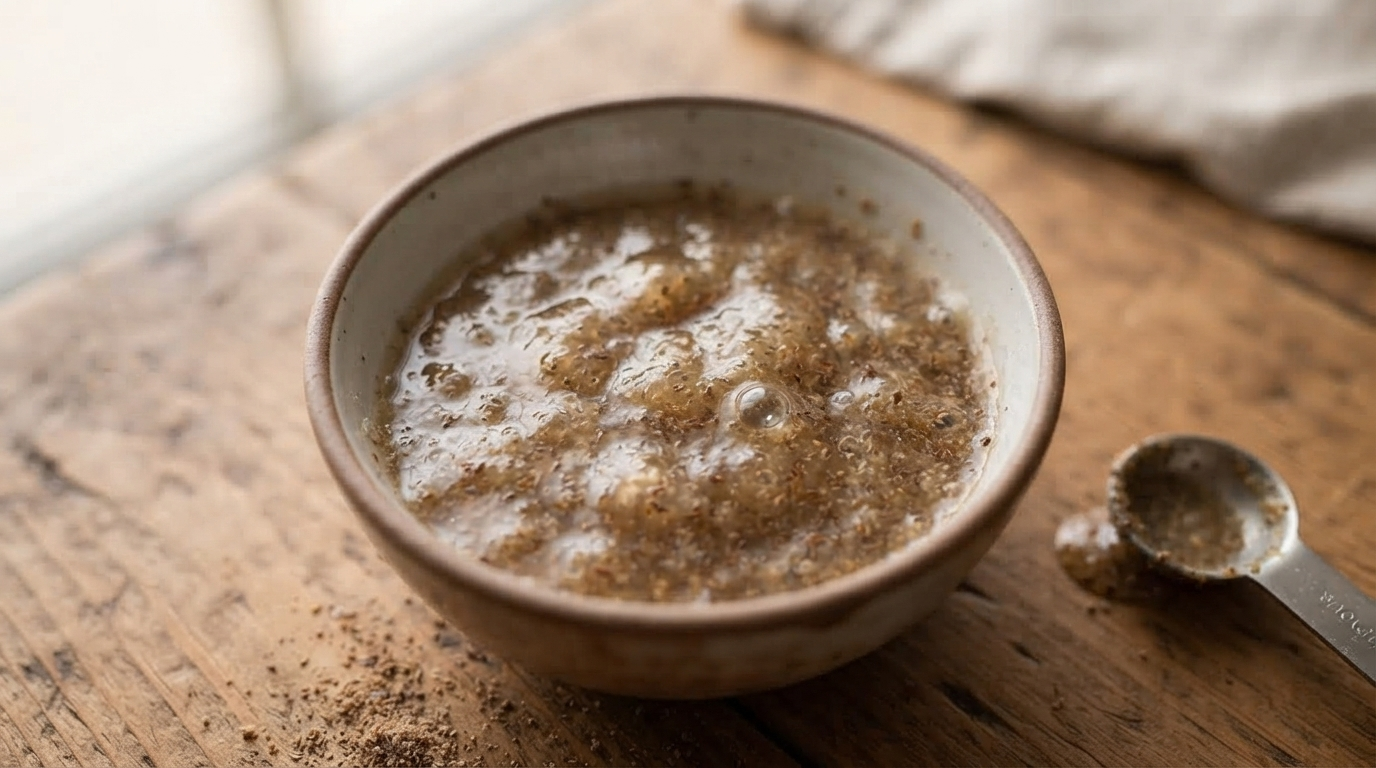
Have you ever spent time preparing a delicious meal only to discover that it tastes far too salty? It can happen to anyone, whether you are cooking soup, pasta, rice, vegetables, meat, or a homemade sauce. Sometimes, a little extra salt slips into the pan, while other times, ingredients such as cheese, broth, or canned foods make a dish saltier than expected.
The good news is that you do not always need to throw away an over-seasoned meal. Learning how to fix food that’s too salty can help you rescue your cooking and avoid wasting ingredients. With a few simple kitchen techniques, you can often improve the flavor and bring your dish back into balance.
In this guide, you will discover seven practical kitchen fixes for salty food, along with tips for different dishes and advice on preventing the same problem in the future.
Table of Contents
Why Does Food Become Too Salty?
Before choosing a solution, it helps to understand why a dish tastes overly salty. Salt is an important ingredient because it enhances flavor, but adding too much can overpower other ingredients.
Several common mistakes can cause this problem. You might accidentally add salt twice, use a measuring spoon incorrectly, or forget that certain ingredients already contain sodium. Broth, soy sauce, processed meats, canned vegetables, and cheese can all contribute additional salt.
Another reason is evaporation. When soup, gravy, or sauce simmers for a long time, water evaporates and the remaining liquid becomes more concentrated. A dish that tasted perfectly seasoned at the beginning may become too salty after cooking.
Fortunately, there are several ways to correct the flavor without starting from scratch.
How to Fix Food That’s Too Salty: 7 Kitchen Fixes
The best solution depends on what you are cooking. A salty soup needs a different approach from salty rice or roasted vegetables. Try one of these seven methods to improve your dish.
1. Add More Liquid to Dilute the Salt
One of the easiest ways to fix food that’s too salty is to increase the amount of liquid in the dish. This method works particularly well for soups, stews, gravies, curries, and sauces.
When you add more unsalted liquid, the salt becomes less concentrated throughout the dish. Depending on the recipe, you can use water, unsalted broth, milk, or another suitable liquid.
How to use this method:
- Add a small amount of unsalted liquid to your dish.
- Stir thoroughly so the liquid mixes evenly.
- Allow the food to simmer briefly if necessary.
- Taste it before adding anything else.
For example, if your chicken soup tastes too salty, add a little water or unsalted chicken stock. If a creamy pasta sauce is too salty, a small amount of milk or cream may help, provided it suits the recipe.
Avoid adding too much liquid at once. Doing so may make the dish watery or weaken its flavor. Add it gradually until the taste improves.
2. Increase the Amount of Other Ingredients
Another effective solution is to make the dish larger by adding more unsalted ingredients. This helps distribute the existing salt across a greater quantity of food.
This technique works well for rice dishes, curries, pasta, casseroles, vegetable dishes, and stews.
How to use this method:
- Add more of the main ingredient without adding salt.
- Mix the ingredients evenly.
- Cook until everything reaches the appropriate texture.
- Taste the dish again before adjusting the seasoning.
For example, if your vegetable curry is too salty, you can add more cooked vegetables or an additional portion of unsalted vegetables and sauce ingredients. If pasta tastes too salty, mix in more plain cooked pasta.
You can also add extra cooked rice to a salty rice dish, depending on the recipe.
The main advantage of this method is that it improves the balance without necessarily making the food watery. However, remember that increasing the quantity may leave you with extra servings.
3. Add Acid to Balance the Flavor
Sometimes, food tastes excessively salty because its flavors are unbalanced. A small amount of acid can brighten the dish and make the saltiness less noticeable.
Lemon juice, lime juice, vinegar, and tomatoes are useful acidic ingredients. They are especially suitable for soups, sauces, salad dressings, fish, chicken, and vegetable dishes.
How to use this method:
- Add a few drops of lemon juice or vinegar.
- Stir the dish thoroughly.
- Taste a small portion.
- Repeat in tiny amounts if needed.
For example, a squeeze of lemon juice may improve the flavor of salty grilled chicken or roasted vegetables. A little vinegar can also brighten a salty tomato-based sauce.
However, acid does not remove salt from food. It simply changes the overall flavor balance. Too much lemon juice or vinegar can make a dish sour, so use this method carefully.
Choose an acidic ingredient that complements the recipe rather than adding one that clashes with the other flavors.
4. Add a Little Fat or Cream
Fat can soften the perception of strong flavors and create a smoother, richer taste. Depending on the recipe, butter, cream, yogurt, coconut milk, or olive oil may help balance an overly salty dish.
This method is particularly useful for creamy soups, pasta sauces, curries, mashed potatoes, and certain vegetable dishes.
How to use this method:
- Choose a fat or creamy ingredient that suits the recipe.
- Add a small amount.
- Stir well and allow it to blend into the food.
- Taste before adding more.
For instance, a salty creamy pasta sauce may improve with a little unsalted cream or milk. A curry may benefit from a suitable amount of unsweetened coconut milk or plain yogurt, depending on its style.
For mashed potatoes, unsalted butter and a little milk can improve the texture and flavor balance.
Keep in mind that adding fat does not eliminate sodium. It can help make the dish taste more balanced, but it will not always be enough to correct a heavily salted meal.
5. Add Potatoes or Other Unsalted Starchy Ingredients
Potatoes are often recommended as a remedy for salty food. Although they can absorb some of the surrounding liquid, they do not selectively remove salt from an entire dish. Adding a potato is therefore not a guaranteed solution.
However, potatoes and other unsalted starchy ingredients can still help when used as part of a broader adjustment.
How to use this method:
- Add extra cooked potatoes to a salty stew or curry.
- Stir them into the dish so they distribute evenly.
- Allow the flavors to combine.
- Taste before making additional changes.
If you are cooking a salty vegetable soup, extra potatoes can add substance and help balance the amount of salt per serving. You can also add unsalted beans, lentils, rice, or pasta when they fit the recipe.
For example, a salty lentil stew may benefit from additional cooked lentils, while a salty rice dish can sometimes be improved by mixing in plain rice.
The important point is that adding a potato alone does not magically draw all the salt out of your food. Increasing the amount of unsalted ingredients is generally the more reliable strategy.
6. Add a Small Amount of Sweetness When Appropriate
A little sweetness can balance certain salty flavors, particularly in tomato sauces, barbecue sauces, marinades, and some curries. Sugar, honey, or another suitable sweetener may help soften the sharpness of excessive salt.
This method should be used selectively because sweetness does not work well in every dish.
How to use this method:
- Add a very small pinch of sugar or a little honey.
- Stir until it dissolves completely.
- Taste the dish carefully.
- Adjust only if the flavor still needs balancing.
For example, a salty tomato sauce may taste more balanced with a tiny pinch of sugar. A barbecue sauce might benefit from a small amount of honey if sweetness is already part of its flavor profile.
Avoid adding too much sugar. Excessive sweetness can create a different flavor problem and may make the dish less enjoyable.
Remember that sugar does not reduce the sodium content. It only changes how the flavors are perceived.
7. Serve the Dish With Unsalted Side Dishes
If the food is already cooked and changing the recipe would be difficult, serving it with an unsalted side dish can be a practical solution.
This method is especially useful for salty meat, fish, roasted vegetables, rice dishes, and thick curries.
How to use this method:
- Prepare plain rice, pasta, potatoes, or vegetables without added salt.
- Serve a smaller portion of the salty main dish.
- Combine the components in each serving.
- Avoid adding salty sauces or extra seasoning at the table.
For example, salty grilled chicken can be served with plain rice and steamed vegetables. A strongly seasoned curry can be paired with unsalted rice or bread that does not contain much sodium.
You can also serve salty roasted vegetables alongside a larger portion of fresh vegetables without added salt.
This approach does not remove sodium from the original dish, but it can make the overall meal more balanced and reduce the amount of salty food eaten in each serving.
How to Fix Food That’s Too Salty by Dish Type
Different recipes respond better to different techniques. Use the following suggestions to choose a suitable fix for your meal.
How to Fix Salty Soup
Soup is often one of the easiest dishes to rescue because it usually contains plenty of liquid.
Start by adding a little water or unsalted broth. If the soup becomes too thin, add suitable vegetables, beans, rice, or other ingredients to restore its body.
For creamy soups, a small amount of milk or cream may work better. Avoid adding salted stock cubes or seasoned broth because they can increase the saltiness.
Taste the soup after every adjustment instead of trying to correct everything at once.
How to Fix Salty Pasta Sauce
Pasta sauce can become too salty when you add excess salt, use salted pasta water, or combine several salty ingredients.
If the sauce is tomato-based, try adding more unsalted tomatoes or a little water. A creamy sauce may benefit from extra cream or milk.
You can also prepare more sauce without salt and combine it with the original batch. If the pasta itself is too salty, mixing it with additional plain cooked pasta can help.
Be careful with Parmesan cheese, olives, cured meat, and prepared sauces because these ingredients may add more sodium.
How to Fix Salty Rice
Salty rice can be challenging to correct once all the water has been absorbed.
One practical option is to prepare another batch of rice without salt and mix the two portions together. This increases the quantity of rice and lowers the salt concentration per serving.
If the rice is only slightly over-seasoned, serving it with an unsalted curry, vegetables, or another suitable side dish may also help.
Avoid adding large amounts of water to fully cooked rice unless you intend to change its texture. Too much liquid can make the grains soft and sticky.
How to Fix Salty Curry
For a salty curry, consider adding more unsalted vegetables, cooked beans, or another main ingredient. Depending on the recipe, coconut milk, plain yogurt, or a little water may also help.
If you use yogurt, lower the heat and stir it in gradually to reduce the risk of curdling. Coconut milk works particularly well in curries where its flavor is appropriate.
Avoid adding more spice mixes or ready-made sauces until the saltiness has been corrected, as these may contain additional sodium.
How to Fix Salty Meat
If cooked chicken, beef, or another piece of meat tastes too salty, serve it with unsalted rice, potatoes, or vegetables.
For shredded meat, mixing it with an unsalted sauce or additional unsalted meat can help distribute the seasoning. A suitable acidic ingredient may also brighten the flavor.
If the meat is heavily salted, slicing or shredding it and combining it with other ingredients may work better than serving it as a large piece.
Common Mistakes to Avoid When Fixing Salty Food
Trying to rescue a dish can sometimes make the problem worse. Avoid these common mistakes when adjusting your recipe.
Adding Too Much Water at Once
Water can dilute salt, but too much can leave your food bland or watery. Add small quantities, mix well, and taste after every adjustment.
Using Sugar as the Only Solution
Sugar may balance some salty flavors, but it does not remove sodium. Adding too much can make savory dishes taste unpleasantly sweet.
Relying on a Raw Potato to Remove Salt
A potato absorbs liquid along with some dissolved substances, but it does not selectively pull all the salt out of a pot. Use it as an ingredient rather than relying on it as a salt-removal trick.
Adding More Seasoning Without Tasting
Garlic powder, spice blends, sauces, and stock cubes can contain salt. Check the ingredient labels and taste your food before adding more seasoning.
Forgetting That Food Can Become Saltier During Cooking
As water evaporates, salt becomes more concentrated. If your sauce is still reducing, avoid adding more salt until the cooking process is nearly complete.
How to Prevent Food From Becoming Too Salty
Although these fixes can help, prevention is even better. A few simple habits can make your cooking more consistent.
Measure Salt Carefully
Instead of pouring salt directly from its container into a pot, use a measuring spoon or add a small pinch at a time. This is particularly helpful when preparing unfamiliar recipes.
Taste Food Throughout Cooking
Taste your dish at different stages, especially after adding broth, sauces, cheese, or other ingredients that may contain sodium.
Remember that flavors can change as food cooks and liquid evaporates. Season gradually rather than adding the full amount of salt at the beginning.
Choose Low-Sodium Ingredients
Look for reduced-sodium or no-added-salt broth, canned vegetables, and sauces when available. Rinsing canned beans and vegetables can also help reduce some of the sodium on their surfaces.
Check labels on prepared ingredients because products that seem similar can contain very different amounts of sodium.
For more information, read these helpful tips about sodium and healthy eating.
Keep a Record of Successful Recipes
If you discover that a recipe tastes best with a particular amount of salt, write it down. Recording ingredient quantities and adjustments can help you achieve consistent results the next time you cook.
Add Salt Near the End When Appropriate
For some dishes, adding salt toward the end makes it easier to control the final flavor. However, certain recipes require seasoning earlier for proper flavor development, so follow the recipe when timing matters.
Frequently Asked Questions
Can you remove salt from food after cooking?
You generally cannot remove all the salt once it has dissolved throughout a dish. However, you can reduce its concentration by adding unsalted liquid or ingredients, or make the flavor more balanced with suitable acidic or creamy ingredients.
Does adding water make food less salty?
Yes. Adding unsalted water can lower the salt concentration in soups, sauces, and stews. The main drawback is that too much water may weaken the flavor or change the texture.
Does sugar fix food that is too salty?
A small amount of sugar may balance the flavor of certain sauces and curries. However, it does not remove sodium and is not suitable for every recipe.
Does putting a potato in salty soup work?
A potato may absorb some of the surrounding liquid, but it does not selectively remove salt from the soup. Adding extra potatoes can help increase the amount of food and balance the seasoning, but dilution is usually more reliable.
What should I do if my food is extremely salty?
For a heavily salted dish, the most reliable approach is often to prepare more of the recipe without salt and combine the two batches. If that is not practical, serve a smaller portion with unsalted sides.
Final Thoughts
Learning how to fix food that’s too salty can save time, ingredients, and frustration in the kitchen. Whether you are preparing soup, pasta, rice, curry, or meat, the key is to choose a solution that suits the dish.
Start by adding unsalted liquid or increasing the amount of other ingredients. If necessary, use a little acid, fat, or sweetness to improve the flavor balance. Serving salty food with unsalted side dishes is another useful option when the meal is already finished.
Most importantly, make adjustments gradually and taste your food as you go. With practice, you will become more confident in correcting seasoning mistakes and preparing delicious, well-balanced meals.