
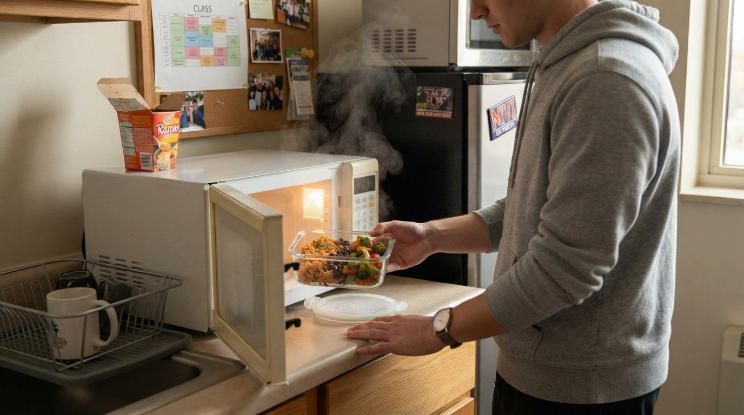
College life can be exciting, but managing classes, assignments, exams, and everyday responsibilities can make cooking feel like another difficult task. Many students rely on fast food, instant noodles, or expensive takeout because they do not have enough time to prepare meals. However, eating well does not have to be complicated or expensive.
With a little planning, you can prepare delicious meals that fit your schedule, budget, and available kitchen space. Easy meal prep for students is all about making food in advance, choosing affordable ingredients, and finding simple recipes that require minimal effort.
Whether you live in a college dorm, share an apartment with roommates, or have access to only a microwave and a mini-fridge, there are plenty of ways to make mealtimes easier.
In this guide, you will discover simple dorm friendly ideas, budget-friendly ingredients, quick recipes, food storage tips, and practical strategies to help you enjoy homemade meals throughout the week.
Best Easy Meal Prep for Students
The best Easy Meal Prep for Students, Simple Dorm Friendly Ideas include overnight oats, chicken and rice bowls, chickpea wraps, and microwave baked potatoes. These meals are simple to prepare and suitable for busy college schedules.
Table of Contents
What Is Meal Prep and Why Is It Useful for Students?
Meal prep means preparing some or all of your meals ahead of time. Instead of deciding what to eat every day, you plan your meals, prepare ingredients, and store everything until you need it.
For students, this approach can make everyday life more manageable.
Save Time During Busy College Days
Between morning lectures, library sessions, group projects, and exams, cooking a complete meal every day can be difficult. Preparing a few meals in advance means you can spend less time in the kitchen and more time focusing on your studies.
For example, you could prepare overnight oats for breakfast, chicken and rice bowls for lunch, and simple pasta for dinner.
Spend Less Money on Food
Buying takeout regularly can quickly use up your monthly budget. Meal prepping allows you to purchase ingredients in larger quantities and use them across several recipes.
Rice, oats, eggs, beans, pasta, frozen vegetables, and potatoes are useful staples because they can be combined in different ways without requiring expensive ingredients.
Make Balanced Eating Easier
When you have ready-to-eat meals available, you are less likely to skip meals during a busy day. You can combine protein, carbohydrates, healthy fats, fruits, and vegetables to create satisfying meals.
Meal prep does not need to be perfect. Even preparing breakfast and lunch for a few days can make a noticeable difference in your routine.
How to Start Easy Meal Prep for Students
Getting started does not require expensive containers, special cooking equipment, or hours of preparation. A simple plan is enough.
1. Choose Three or Four Simple Meals
Avoid planning a completely different recipe for every meal. Start with a few dishes that use similar ingredients.
For example, cooked chicken can be used in rice bowls, wraps, and salads. Beans can be added to burritos, pasta, or grain bowls.
This approach reduces food waste and makes shopping easier.
2. Set a Realistic Food Budget
Before buying groceries, decide how much you can comfortably spend each week. Make a shopping list based on the meals you actually plan to prepare.
Compare prices, check supermarket offers, and consider store-brand products. Frozen vegetables can also be useful because they are convenient and help reduce waste.
3. Easy Meal Prep for Students on a Budget
Easy Meal Prep for Students, Simple Dorm Friendly Ideas can help college students save money while enjoying convenient homemade meals. By choosing affordable ingredients like rice, eggs, beans, oats, and vegetables, students can prepare satisfying meals without spending too much.
4. Use the Equipment You Already Have
Your meal prep options depend on the kitchen facilities available in your dorm.
If you have a microwave, you can prepare oatmeal, microwave potatoes, and reheat suitable leftovers. A shared kitchen gives you more options, including pasta, eggs, rice, and roasted vegetables.
Always check your dorm’s cooking and appliance rules before bringing in any equipment.
5. Prepare Ingredients in Batches
You do not need to cook every meal from scratch. Instead, prepare a few ingredients that can be mixed and matched.
For example, cook a batch of rice, wash some vegetables, prepare a protein source, and make a simple dressing. You can combine these ingredients differently throughout the week.
Easy Breakfast Meal Prep Ideas for Students
Breakfast is often the first meal students skip when they wake up late. Preparing it the night before can make mornings much easier.
Overnight Oats
Overnight oats are one of the easiest breakfast options because they require no cooking.
Ingredients:
- Half a cup of rolled oats
- Half a cup of milk or a suitable milk alternative
- Two tablespoons of yogurt, if desired
- Half a banana or a handful of berries
- A teaspoon of peanut butter, if desired
Instructions:
- Add the oats and milk to a clean container.
- Mix in the yogurt and peanut butter.
- Add sliced fruit.
- Cover and refrigerate overnight.
- Stir before eating the next morning.
You can prepare different flavors using apples and cinnamon, bananas and peanut butter, or berries and yogurt.
Egg and Cheese Breakfast Wraps
Breakfast wraps are convenient when you need something filling before class.
Prepare scrambled eggs, add a little cheese, and place the mixture inside a tortilla. Add spinach, tomatoes, or leftover vegetables if available.
Wrap the filling securely and refrigerate it promptly. Reheat thoroughly before eating. You can also freeze individually wrapped portions for longer storage.
Yogurt and Fruit Cups
Layer yogurt, fruit, and oats or granola in a container for a quick breakfast.
Keep crunchy toppings separate until you are ready to eat so they do not become soggy. This breakfast is especially useful for students who prefer something light and refreshing.
Simple Dorm Friendly Lunch Ideas
Lunch should be convenient, portable, and easy to store. The following options work well for students who want homemade food without complicated preparation.
Chicken and Rice Bowls
Chicken and rice bowls are flexible because you can change the vegetables and seasonings whenever you want.
Ingredients:
- Cooked rice
- Cooked chicken
- Frozen or fresh vegetables
- Olive oil or your preferred cooking oil
- Salt, pepper, and your favorite seasoning
Instructions:
- Cook the rice according to the package directions.
- Cook the chicken thoroughly and season it.
- Prepare the vegetables using your available kitchen equipment.
- Divide the ingredients into individual meal containers.
- Refrigerate promptly and reheat the portion you need.
For variety, use different sauces or seasonings, such as garlic, lemon, mild curry, or a simple yogurt dressing.
Chickpea Salad Wraps
Chickpeas are an affordable source of plant-based protein and can be used without cooking when you purchase them canned and ready to eat.
Mash drained chickpeas with yogurt or mayonnaise, add chopped cucumber and tomatoes, and season with salt, pepper, and lemon juice.
Spread the mixture inside a tortilla and add lettuce if available. For meal prep, store the filling separately from the tortillas and assemble the wraps shortly before eating.
Easy Pasta Salad
Pasta salad is a useful option for students who have access to a kitchen.
Cook pasta according to the package instructions, drain it, and allow it to cool safely. Add chopped vegetables, beans or cooked chicken, and a simple dressing.
Divide the salad into portions and refrigerate it. You can change the flavor by using pesto, lemon dressing, or a small amount of olive oil and herbs.
Quick Dorm Friendly Dinner Ideas
After a long day of lectures, most students want something that tastes good without requiring much effort.
Microwave Baked Potato
A baked potato is an affordable meal that can be customized with different toppings.
Wash a medium potato, pierce it several times with a fork, and microwave it according to your microwave’s instructions until it is tender. Let it rest before handling.
Cut it open and add toppings such as beans, grated cheese, yogurt, or cooked vegetables.
For extra protein, add cooked chicken or chickpeas. Make sure any perishable toppings are stored in the refrigerator until needed.
One-Pot Pasta
If you have access to a shared kitchen, one-pot pasta can save both time and washing up.
Ingredients:
- Pasta
- Chopped tomatoes or tomato sauce
- Water or stock
- Garlic and seasonings
- Frozen vegetables
- Beans or cooked chicken, if desired
Instructions:
- Add the pasta, tomatoes, liquid, and seasonings to a suitable pot.
- Bring the mixture to a boil, then simmer while stirring regularly.
- Add vegetables and cook until the pasta is tender and the ingredients are thoroughly heated.
- Add cooked chicken or beans if desired.
- Divide into portions and refrigerate leftovers promptly.
Follow the pasta package directions and add extra liquid when needed.
Bean and Cheese Quesadillas
Quesadillas are ideal when you need a quick, satisfying dinner.
Spread mashed beans over half a tortilla, add a little cheese, and fold it over. Heat in a skillet until the tortilla is lightly crisp and the filling is hot.
Serve with salsa, yogurt, or chopped vegetables. You can also prepare the filling in advance to make dinner even faster.
Budget-Friendly Snacks for College Students
Snacks can help you manage hunger between classes without spending money at vending machines or convenience stores.
Peanut Butter and Banana
Spread peanut butter on whole-grain toast or serve it with banana slices. This combination provides carbohydrates, fat, and some protein.
Hummus and Vegetables
Pair hummus with carrots, cucumber, bell peppers, or whole-grain crackers. Store cut vegetables in a clean, covered container in the refrigerator.
Trail Mix
Combine nuts, seeds, and dried fruit for a portable snack. Prepare small portions in reusable containers or bags to make them easy to carry.
Fruit and Yogurt
Apples, oranges, bananas, and other convenient fruits can be paired with yogurt for a simple snack. Choose options that fit your preferences and budget.
Essential Meal Prep Ingredients for Students
Keeping a small selection of versatile ingredients in your dorm or shared kitchen makes planning meals much easier.
Affordable Pantry Staples
Consider keeping these items available:
- Rice and pasta
- Rolled oats
- Canned beans and chickpeas
- Canned tomatoes
- Peanut butter
- Tortillas and whole-grain bread
- Basic seasonings
- Cooking oil
These ingredients can form the base of breakfasts, lunches, dinners, and snacks.
Refrigerated Foods
Depending on your storage space, useful refrigerated ingredients include eggs, milk, yogurt, cheese, and fresh vegetables.
Buy quantities you can realistically use before they spoil. If your dorm has a shared refrigerator, label your containers and follow the building’s food storage rules.
Frozen Ingredients
Frozen vegetables, berries, and other suitable frozen foods can be excellent choices for students.
They are often convenient, easy to portion, and available throughout the year. You can add frozen vegetables directly to many cooked dishes, following the package instructions.
A Simple Five-Day Student Meal Prep Plan
You do not need to follow a strict meal plan. The following example shows how a few basic ingredients can cover several days without making every meal identical.
| Day | Breakfast | Lunch | Dinner |
|---|---|---|---|
| Monday | Overnight oats | Chicken and rice bowl | Bean quesadilla |
| Tuesday | Yogurt and fruit | Chickpea wrap | One-pot pasta |
| Wednesday | Egg breakfast wrap | Leftover pasta | Baked potato with beans |
| Thursday | Overnight oats | Rice and vegetable bowl | Chicken tortilla wrap |
| Friday | Peanut butter toast and fruit | Chickpea salad | Vegetable and bean pasta |
Adjust the portions to your appetite, schedule, dietary requirements, and budget. If you do not eat meat, beans, lentils, chickpeas, tofu, and other suitable protein sources can replace chicken.
You can also swap meals around depending on your class timetable and kitchen access.
Food Storage and Safety Tips for Dorm Meal Prep
Meal prep saves time only when food is stored safely. Small dorm refrigerators can fill up quickly, so planning portions and using suitable containers is important.
Use Clean, Suitable Containers
Choose clean, food-safe containers with secure lids. Smaller containers can make it easier to portion meals and fit them into limited refrigerator space.
Label containers with the preparation date so you can keep track of how long the food has been stored.
Refrigerate Food Promptly
Do not leave cooked food sitting at room temperature for long periods. Refrigerate perishable foods within two hours, or within one hour when the temperature is above 90°F (32°C).
Keep your refrigerator at 40°F (4°C) or below. Divide large batches into smaller, shallow containers to help food cool faster.
Know How Long Leftovers Last
According to standard USDA food safety guidance, many cooked leftovers can be kept in the refrigerator for three to four days. Freeze portions that you will not eat within that period.
Reheat leftovers to an internal temperature of 165°F (74°C). When using a microwave, cover the food, stir where appropriate, and allow it to stand briefly so the heat can distribute evenly.
Do not rely on smell or appearance alone to determine whether food is safe.
Common Meal Prep Mistakes Students Should Avoid
Preparing Too Much Food
Cooking a large amount of food may seem economical, but it can lead to waste if you do not eat it in time.
Start by preparing two or three days of meals. Increase the quantity only when you know how much you can comfortably use.
Choosing Recipes That Are Too Complicated
A recipe that requires expensive ingredients or extensive cooking time may not suit your schedule.
Begin with simple meals that use familiar ingredients. You can experiment with more complicated recipes when you have extra time.
Forgetting Variety
Eating the same meal repeatedly can become boring. Try changing sauces, seasonings, vegetables, and toppings rather than preparing completely different recipes every day.
For example, rice and chicken can become a Mexican-inspired bowl one day and a lemon-herb bowl the next.
Ignoring Your Dorm’s Rules
Some dormitories restrict cooking appliances, food storage, or the use of shared kitchen facilities.
Check your accommodation’s rules before preparing meals with equipment such as rice cookers, hot plates, or air fryers.
How to Make Meal Prep a Sustainable Habit
The best meal prep routine is one you can maintain during both easy and stressful weeks.
Choose one convenient day to plan your meals and shop for ingredients. Set aside a manageable amount of time to prepare a few basics, such as rice, vegetables, breakfast portions, and a protein source.
Keep your favorite quick recipes in a note on your phone so you do not have to search for ideas every time you feel hungry.
It is also helpful to leave room for flexibility. You might eat at the campus cafeteria, meet friends for lunch, or have a particularly busy day. Meal prep should make your life easier, not create another source of pressure.
If you have limited refrigerator space, focus on ingredients that can be stored safely in your pantry and prepare smaller batches of fresh food as needed.
Most importantly, remember that healthy eating does not require expensive ingredients or perfect planning. Small, consistent habits can help you save money, reduce stress, and enjoy more homemade meals.
Conclusion
Easy meal prep for students, simple dorm friendly ideas can make college life more affordable, convenient, and enjoyable. From overnight oats and chickpea wraps to chicken and rice bowls, baked potatoes, and one-pot pasta, there are plenty of meals that fit a busy schedule.
Start with a few simple recipes, choose affordable ingredients, and prepare only what you can store and eat safely. Use versatile pantry staples, take advantage of frozen vegetables, and change seasonings to keep your meals interesting.
You do not need a fully equipped kitchen or hours of free time to get started. With a little organization and a realistic plan, you can make homemade food a practical part of student life while leaving more time for studying, relaxing, and enjoying college.