
Eating gluten free while still keeping up with a busy week is a common struggle, not because gluten free food is inherently difficult to make, but because most generic meal prep advice assumes wheat based staples like bread, regular pasta, and couscous as the default building blocks.
Swapping those out one for one is not the same as actually planning a week of meals that are naturally balanced, satisfying, and safely gluten free from the start.
Gluten free meal prep recipes work best when they are built around foods that are naturally free of gluten, rather than treated as a workaround. This guide covers breakfast through snacks, plus the label reading and cross contamination basics that matter for anyone managing celiac disease or a gluten sensitivity.
What Gluten Free Actually Means on a Label
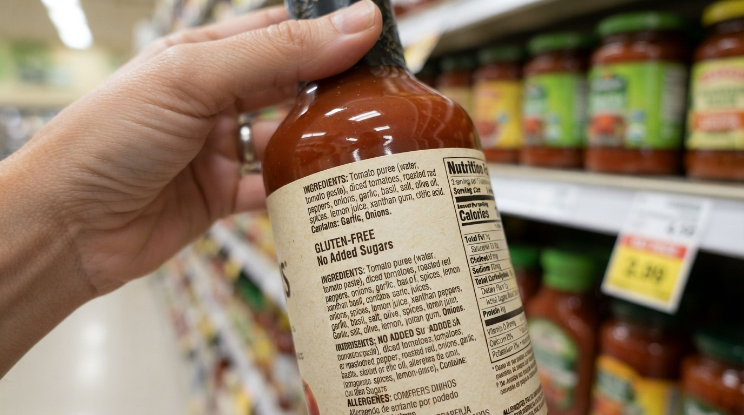
In the United States, a food labeled gluten free has to meet a specific legal standard. The FDA rule permits labeling a food gluten free if it does not contain wheat, rye, barley, or crossbreeds of these grains, or an ingredient derived from these grains that has not been processed to remove gluten, or one that has been processed to remove gluten but still results in the food containing more than 20 parts per million of glute. That 20 parts per million threshold, rather than an absolute zero, is the standard used because it is a concentration level, equivalent to 20 milligrams of gluten per kilogram of food, and current testing cannot reliably detect gluten below that level.
Common Hidden Sources of Gluten
Gluten shows up in places that are easy to overlook: soy sauce, certain broths and bouillon cubes, some salad dressings, malt flavoring, certain oats that have been cross contaminated during processing, breaded or battered foods, and some seasoning blends that use wheat as an anti caking agent. Reading the full ingredient list, not just the front of the package, is the only reliable way to catch these.
Cross Contamination Considerations
Cross contact happens when gluten free food comes into contact with gluten containing food or surfaces, through shared cutting boards, toasters, cooking oil used for breaded foods, or even a knife dipped into a shared jar of peanut butter after being used on regular bread. For anyone with celiac disease, this matters even in small amounts. If you are meal prepping gluten free food in a kitchen that also handles gluten, use separate cutting boards, wash utensils and surfaces thoroughly between uses, and consider a dedicated toaster or toaster bags if gluten free bread and regular bread share the same kitchen.
Gluten Free Breakfast Meal Prep
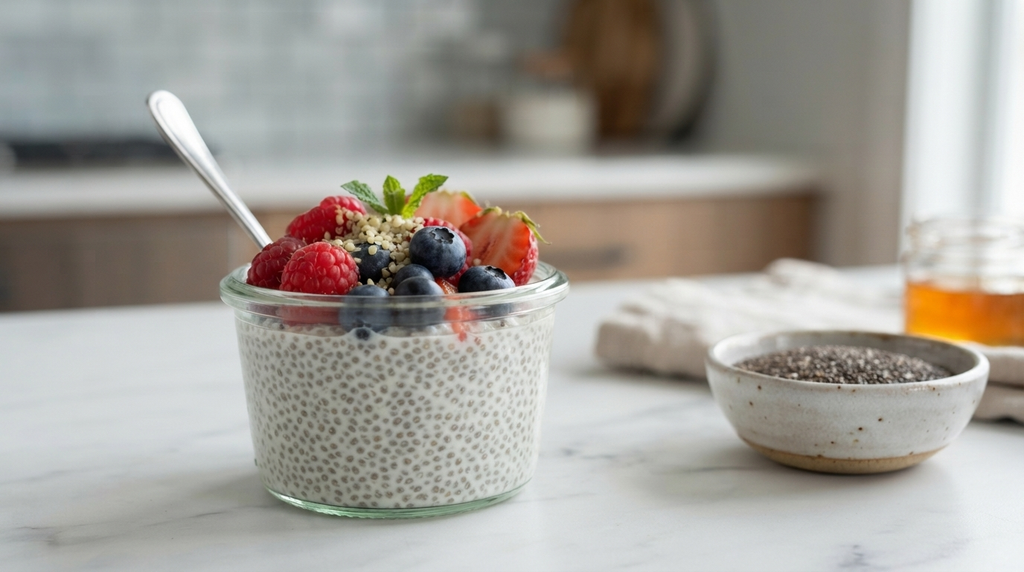
Overnight oats made with certified gluten free oats, egg muffins with vegetables and cheese baked in a muffin tin, chia seed pudding, and rice based breakfast bowls topped with fruit and nuts all work well for a week of grab and go breakfasts. Certified gluten free oats matter here specifically, since regular oats are frequently cross contaminated with wheat during growing and processing.
Gluten Free Lunch and Dinner Ideas
Lunch: rice paper rolls filled with shredded vegetables and shrimp or tofu, quinoa salad with roasted vegetables and a simple vinaigrette, or a taco bowl built on rice with seasoned ground beef or beans.
Dinner: baked salmon with roasted potatoes and green beans, stir fry made with tamari instead of regular soy sauce, or a one pan chicken and vegetable bake seasoned simply with olive oil and herbs.
Gluten Free Chicken Meal Prep
Chicken is naturally gluten free, which makes it one of the easier proteins to build a week of meals around. The main thing to watch is marinades, sauces, and breading, since these are common places gluten sneaks in. A simple approach: season chicken with olive oil, garlic, lemon, and herbs, then bake or grill in bulk at the start of the week and pair it with different gluten free grains and vegetables through the week for variety.
Gluten Free Vegetarian Options
Beans, lentils, tofu, eggs, and cheese are all naturally gluten free and make excellent bases for vegetarian meal prep. A lentil and vegetable stew, a chickpea curry served over rice, or a tofu stir fry with rice noodles labeled gluten free all deliver a filling, balanced vegetarian meal without needing any special substitutions beyond checking sauce labels.
Gluten Free Grain and Bowl Meals
Rice, quinoa, buckwheat, and certified gluten free oats are naturally gluten free grains that form the backbone of most bowl style meal prep. Building a bowl around one of these grains, a protein, a vegetable, and a sauce is a repeatable formula that works for breakfast, lunch, or dinner just by changing the flavor profile.
Gluten Free Salads
Salads are naturally gluten free as long as the dressing, croutons, and any add ins are checked carefully. Skip regular croutons in favor of toasted nuts or seeds for crunch, and double check bottled dressings, since some contain wheat based thickeners or malt vinegar.
Snacks and Make Ahead Options
Hard boiled eggs, rice cakes with nut butter, roasted chickpeas, fruit with cheese, and homemade trail mix all work as gluten free snacks that require little to no prep beyond portioning them into containers. For freezer friendly options, cooked rice, soups made without flour based thickeners, and cooked ground meat all freeze and reheat well, giving you a backup meal on weeks that get too busy for a full prep session.
How to Organize a Week of Gluten Free Meal Prep
Start by choosing two or three gluten free grains and two or three proteins for the week, then build meals by mixing and matching those with different vegetables and sauces. This keeps grocery shopping simple while still giving enough variety that meals do not feel repetitive by Thursday.
Meal Idea, Ingredients, Preparation, and Storage
| Meal Idea | Main Ingredients | Preparation Approach | Storage Considerations |
| Egg muffins | Eggs, vegetables, cheese | Baked in a muffin tin | Fridge, up to four days |
| Quinoa and roasted vegetable bowl | Quinoa, mixed vegetables, olive oil | Batch roasted and cooked | Fridge, up to four days |
| Baked chicken and rice | Chicken, rice, herbs | Baked or grilled in bulk | Fridge, up to four days, freezes well |
| Lentil and vegetable stew | Lentils, carrots, celery, broth | Simmered on the stovetop | Fridge, up to five days, freezes well |
| Tofu stir fry with rice noodles | Tofu, vegetables, tamari, rice noodles | Cooked fresh, stored portioned | Fridge, up to three days |
| Chia seed pudding | Chia seeds, milk, fruit | No cook, mixed the night before | Fridge, up to five days |
Building a Balanced Gluten Free Plate
Aim for a portion of protein, a gluten free grain or starch, and a generous portion of vegetables at each meal, the same balance recommended for eating well in general, just built entirely from naturally gluten free ingredients rather than substitutes.
Real Life Example
Consider someone recently diagnosed with a gluten sensitivity, trying to figure out a sustainable weekly routine. Instead of replacing every wheat based staple with a gluten free packaged version, they build the week around rice, quinoa, chicken, and a rotation of roasted vegetables, checking labels on sauces and dressings as they shop.
By keeping a dedicated cutting board and toaster bag for gluten free bread, they avoid cross contact in a kitchen shared with family members who still eat regular bread, and the meal prep itself looks almost identical to any other bowl based prep routine, just built from ingredients that are gluten free by nature.
Conclusion
Gluten free meal prep recipes do not have to revolve around specialty products or expensive substitutes. Built around naturally gluten free staples like rice, quinoa, chicken, beans, and vegetables, a week of meals can be both safe and genuinely satisfying. Pay attention to labels, watch for cross contact in shared kitchens, and lean on the naturally gluten free foundation rather than trying to recreate wheat based meals one substitution at a time.
This approach works well alongside the fresh, crisp base ingredients covered in Meal Prep Salads That Stay Fresh Without Soggy Greens, and the same reheating principles from How to Reheat Meal Prep Meals So They Still Taste Good apply just as much to gluten free dishes as any other meal prep.
FAQs
What does gluten free actually mean under FDA rules?
A food labeled gluten free must not contain wheat, rye, barley, or their crossbreeds, and any unavoidable gluten from cross contact must stay below 20 parts per million.
What are some hidden sources of gluten in everyday meal prep ingredients?
Soy sauce, some broths and bouillon cubes, malt flavoring, certain oats, and some salad dressings and seasoning blends can all contain gluten even when it is not obvious from the front of the package.
Is it safe to meal prep gluten free food in a kitchen that also has regular bread and pasta?
Yes, with care. Use separate cutting boards and utensils, wash surfaces thoroughly between uses, and consider a dedicated toaster or toaster bags to avoid cross contact.
What grains are naturally gluten free for meal prep?
Rice, quinoa, and buckwheat are naturally gluten free, and oats can be gluten free as well as long as they are certified gluten free rather than regular oats.
Can gluten free meal prep meals be frozen?
Many can, including cooked rice, soups made without flour based thickeners, and cooked meats. Freezing is a helpful backup for weeks when there is no time for a full prep session.
How do I know if a sauce or dressing is safe for a gluten free meal prep plan?
Check the full ingredient list for wheat, barley, rye, or malt, and look for a gluten free label when possible, since some sauces use wheat based thickeners that are not obvious from the product name.
Do I need to buy expensive specialty products to eat gluten free during meal prep?
No, building meals around naturally gluten free staples like rice, quinoa, beans, chicken, and vegetables is generally more affordable and just as effective as relying on packaged gluten free substitutes.