
If you have ever stood in front of an open fridge at eight o’clock on a weeknight wondering what on earth to eat, you already understand why meal prep for beginners has become such a popular search.
Meal prep is not a diet trend or a complicated kitchen skill. It is simply the practice of preparing some or all of your meals ahead of time so that in the future you have one less decision to make. Meal Prep for Beginners
When I first researched this topic properly, what stood out to me was how many beginner guides jump straight into advanced batch cooking without explaining the basics first.
This guide starts at the very beginning, so you can build a habit that actually sticks instead of burning out after one ambitious Sunday.Meal Prep for Beginners
What Meal Prep Actually Means
At its core, meal prep means setting aside time, usually once or twice a week, to plan, shop for, and partly or fully cook your meals in advance. It can look very different from person to person. Some people cook five identical lunches in one sitting.
Others prep ingredients separately, such as cooked grains, roasted vegetables, and a protein, then combine them into different meals throughout the week. Neither approach is more correct than the other. The goal is simply to reduce the number of decisions and the amount of active cooking time you need on a typical weekday.Meal Prep for Beginners

According to the Academy of Nutrition and Dietetics, meal prepping is essentially about organizing your kitchen time so that healthy eating requires less daily effort, which is exactly why it works so well for people who are new to cooking on a schedule. You can read more about the fundamentals in their guide to meal prepping basics.
Why Beginners Should Start Simply
One approach I recommend to anyone just starting out is to resist the urge to prep an entire week of complicated, restaurant style meals on day one.
In my experience, beginners who try to prep seven breakfasts, lunches, and dinners in one afternoon often abandon meal prep within two weeks because it felt overwhelming rather than helpful.
Instead, start with one meal category. Pick lunches, or pick breakfasts, and prep just three or four portions. Once that feels manageable, add another meal type.
This slower build up matters because meal prep for beginners is really about forming a repeatable habit, not about achieving a perfectly stocked fridge on your first attempt.
Essential Tools for Beginner Meal Prep
You do not need an expensive kitchen setup to begin. A few practical items make the process far smoother:
- A set of stackable, leak proof storage containers, ideally a mix of sizes
- A sharp chef’s knife and a sturdy cutting board
- One large sheet pan for roasting vegetables and proteins together
- A large pot for grains, soups, or bulk boiling
- Measuring cups if you are also tracking portions
If budget is a concern, start with containers and a good knife, then add tools gradually as you settle into a rhythm that suits you.
How to Choose Meals for Beginner Meal Prep
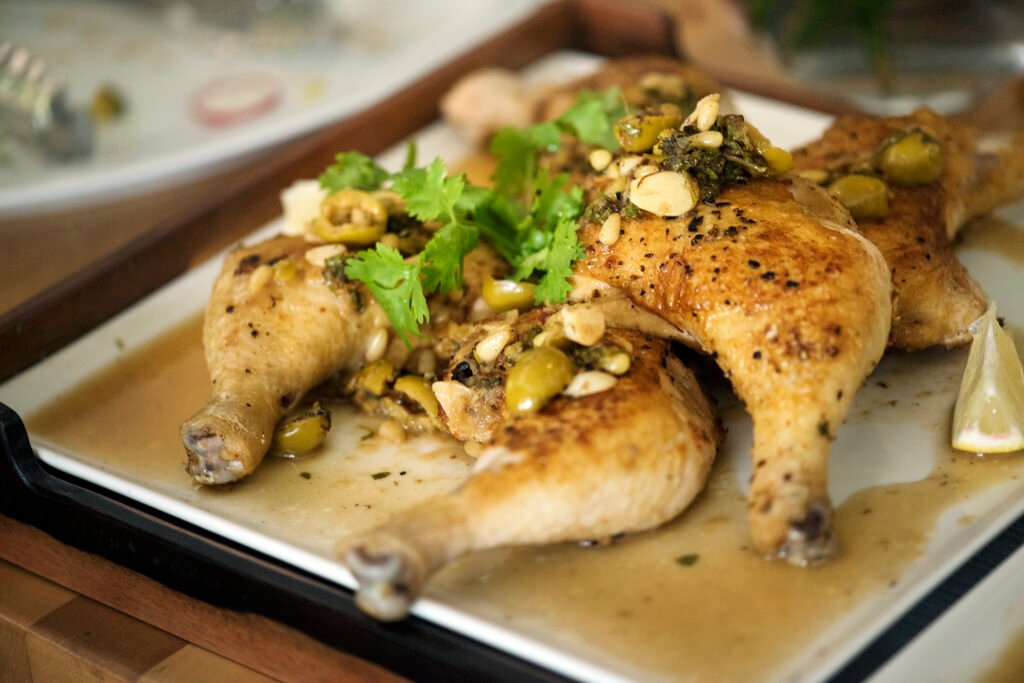
When you are new to this, choose meals with overlapping ingredients. If you roast a tray of chicken thighs, brown rice, and broccoli, you can turn that into grain bowls, wraps, or a simple plate with sauce. This is far less mentally taxing than planning four completely different recipes with four different ingredient lists.
Aim for a plate that includes a protein, a whole grain or starch, and a vegetable, which mirrors the general guidance found in Harvard’s Healthy Eating Plate. This is not about strict rules, it is simply a useful mental template when you are deciding what to cook.
Grocery Planning Before You Cook
Grocery planning is where a lot of beginners lose momentum. Before you shop, write down exactly which meals you are prepping and the ingredients each one needs. Group your list by store section, such as produce, protein, and pantry, so you are not backtracking through the aisles.
If you are also mindful of your food budget, the USDA’s MyPlate meal planning tool can help you build a personalized plan based on your calorie and food group needs, which makes grocery shopping considerably more focused.
Step by Step Preparation Process
Once your groceries are home, a simple process keeps things efficient:
- Wash and prep all produce first, since it is used across most meals.
- Cook grains or starches in one pot while you work on other tasks.
- Roast or sear your proteins, ideally two at once if your oven or stove allows it.
- Steam or roast your vegetables.
- Let everything cool slightly before portioning into containers.
- Label containers with the date so you know what needs to be eaten first.
This order matters because it lets you multitask, with grains simmering while vegetables roast and protein rests, rather than cooking everything one item at a time.
Storage Basics Every Beginner Should Know
Food safety is not optional, even for beginner meal prep. Cooked food should not sit at room temperature for more than two hours, and it should be refrigerated in shallow containers so it cools quickly and evenly.
Most cooked meals stay safe in the refrigerator for three to four days, while many components freeze well for a month or longer if sealed properly.
For full guidance on safe handling and storage temperatures, the official food safety guidelines from the U.S. government are a reliable reference point every home cook should bookmark.
Common Beginner Mistakes
When I researched common pitfalls, a few patterns kept showing up. Beginners often prep too much variety at once, which leads to wasted food. They also frequently skip labeling containers, which results in guessing games about freshness later in the week.
Another common mistake is storing hot food directly in a sealed container, which traps steam and can make food soggy or unsafe if it cools too slowly. Finally, many beginners forget to plan for one or two flexible meals in case plans change, which sets them up to feel like the whole system failed after a single missed dinner.
Real Life Example / Case Study

A useful illustration of this comes from the Academy of Nutrition and Dietetics itself, whose registered dietitian nutritionists routinely coach clients through the exact struggle described above: starting too big, too fast. Their guidance consistently points beginners toward prepping two or three simple meals first rather than a full week, and toward using versatile, overlapping ingredients so the process feels achievable rather than exhausting. The lesson for anyone new to meal prep for beginners is straightforward. Small, consistent effort beats one overwhelming cooking marathon, and building the habit gradually is what actually makes it last.
Practical Tips to Keep Going
Once you have the basics down, a few habits help meal prep stick long term. Keep a running list of meals that worked well so you are not reinventing your plan every week. Prep in a way that fits your actual schedule, whether that is one long session on Sunday or two shorter sessions spread across the week. If you want to explore a full weekly system once you feel ready, our guide on how to meal prep for a week walks through the process in more detail.
FAQs
Is meal prep for beginners hard to start?
Not if you start small. Prepping two or three meals is a realistic first step, and you can expand once the habit feels natural.
How many meals should a beginner prep at first?
Three to four portions of a single meal type is a manageable starting point before attempting a full week.
What containers work best for beginners?
Stackable, leak proof containers in a few different sizes cover most needs without a large upfront investment.
How long does prepped food last in the fridge?
Most cooked meals stay safe for three to four days when stored properly and refrigerated promptly.
Can beginners freeze meal prepped food?
Yes, many prepped components like cooked grains, roasted vegetables, and proteins freeze well for a month or more when sealed tightly.
What is the biggest mistake beginners make with meal prep?
Trying to prep too many different meals at once, which usually leads to burnout and wasted food within the first few attempts.
Conclusion
Meal prep for beginners does not need to be complicated or perfect from day one. Start with one meal type, choose a handful of overlapping ingredients, follow safe storage practices, and build the habit gradually rather than all at once.
Once you have a simple system that fits your schedule, you can expand it into a full weekly routine at your own pace. Pick one meal to prep this week, gather your containers, and give yourself permission to start small.
Pingback: 10 Easy Meal Prep Recipes for a Stress Free Week