
Lifting the lid on a pot of soup only to find it thin and watery is a common letdown, especially if you are avoiding flour for dietary reasons or just do not want its slightly pasty texture. The good news is that learning how to thicken soup without flour is easy once you know which method fits which soup. Blended vegetables, beans, potatoes, cornstarch, and even a simple reduction can all add body, and each brings its own texture and flavor.
Why Soup Turns Out Watery
Vegetables like zucchini and spinach release a surprising amount of water as they cook, and broth based recipes are easy to over dilute. Sometimes the fix is more time on the stove, and other times you need to actively add something with thickening power.
1. Puree Part of the Soup
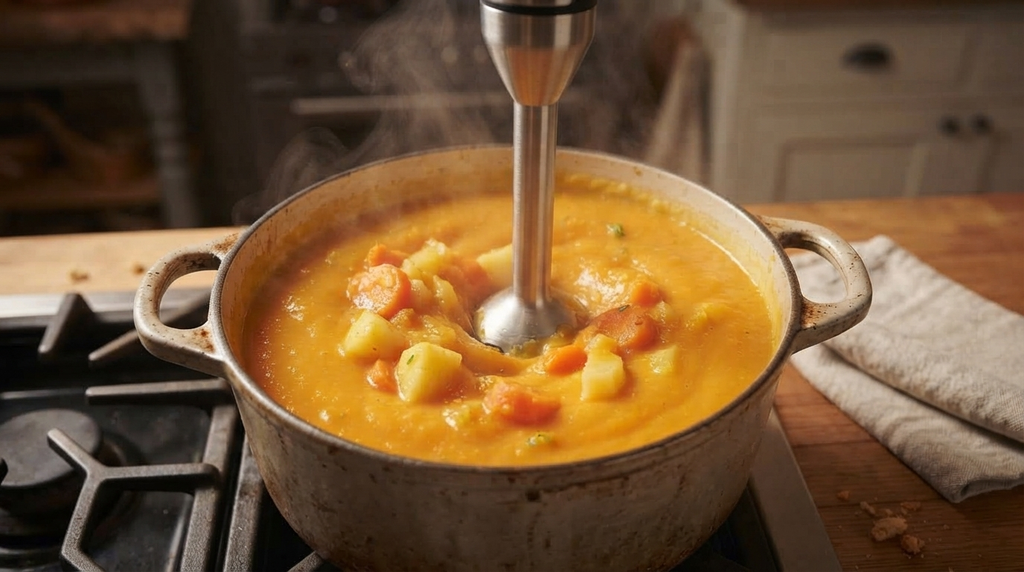
Scoop out a cup or two of soup, including plenty of solid vegetables, and blend it smooth before stirring it back in. An immersion blender makes this effortless. This works beautifully for vegetable and lentil soups, adding no new flavor since you are simply concentrating what is already there.
2. Blend in Beans or Lentils
Cooked beans and lentils puree into a thick, creamy base while boosting protein and fiber. White beans are especially useful because their flavor is mild enough to disappear into almost any broth. Rice, beans, and lentils contain starch that absorbs water when heated, which is exactly the reaction you want here. This suits minestrone and hearty vegetable stews well, though it is not the right choice for a delicate, clear consommé.
3. Add Potatoes
Potatoes are a classic thickener because they are starchy, mild, and widely available. Dice a potato and simmer it until fork tender, then mash it right in the pot or puree a portion with some broth. Russets break down more readily than waxy varieties, so choose a russet for maximum thickening power. This shines in chowders and rustic vegetable soups, and in my experience it is one of the easiest fixes for beginners since there is little risk of overdoing it. Also read How to Fix Food That’s Too Salty (7 Kitchen Fixes).
4. Use Cornstarch or Arrowroot
Cornstarch is a completely neutral thickener. Mix one tablespoon with two tablespoons of cold water to make a slurry, stir it into the simmering soup, and let it cook for a minute or two. According to America’s Test Kitchen’s guide to cornstarch substitutes, cornstarch has roughly twice the thickening power of flour, so a little goes a long way. Arrowroot works similarly and holds up better in soups that will be reheated. Avoid boiling either for too long, since extended boiling can break down their thickening power, so add them near the end of cooking.
5. Reduce the Soup
Simmering soup uncovered lets excess water evaporate, naturally concentrating flavor and texture, a technique food writers have tested extensively against other thickening methods. This works best for broth based soups and stocks, since cream based soups can scorch if boiled too aggressively. What makes this method especially useful is that it needs no extra ingredients, just fifteen to thirty minutes depending on how much liquid needs to cook off.
6. Stir in Dairy or a Dairy Alternative
Cream, half and half, coconut milk, or full fat yogurt will thicken soup while adding richness. This is more about mouthfeel than pure viscosity, so it is often paired with pureed vegetables for the best result. Coconut milk is a solid dairy free option in curried or spiced soups.
7. Use Oats or Bread
Rolled oats blended into the soup, or torn bread simmered until it softens, both add surprising body. Bread suits rustic, European style soups where a little texture is welcome, while oats are more neutral and better for creamy vegetable soups.
Comparison Table
| Method | Best For | Texture | Flavor Impact | Difficulty |
| Pureed vegetables | Vegetable, lentil soups | Silky | Minimal | Easy |
| Beans or lentils | Minestrone, stews | Creamy, dense | Mild, earthy | Easy |
| Potatoes | Chowders, rustic soups | Thick, smooth | Neutral | Easy |
| Cornstarch or arrowroot | Any brothy soup | Glossy | Neutral | Moderate |
| Reduction | Broths and stocks | Concentrated | Intensifies flavor | Slow but easy |
| Dairy | Cream soups, chowders | Rich, velvety | Adds richness | Easy |
| Oats or bread | Rustic vegetable soups | Slightly textured | Mild, grainy | Easy |
A Practical Kitchen Example
Picture a pot of vegetable soup that turned out thinner than expected because the zucchini released more water than planned. Rather than starting over, scoop out two cups, including plenty of cooked vegetables, and puree until smooth. Stir it back in and simmer five more minutes. The soup thickens almost immediately, with no new ingredients and no change to the flavor, which is why pureeing is often the first method worth trying.
Common Mistakes to Avoid
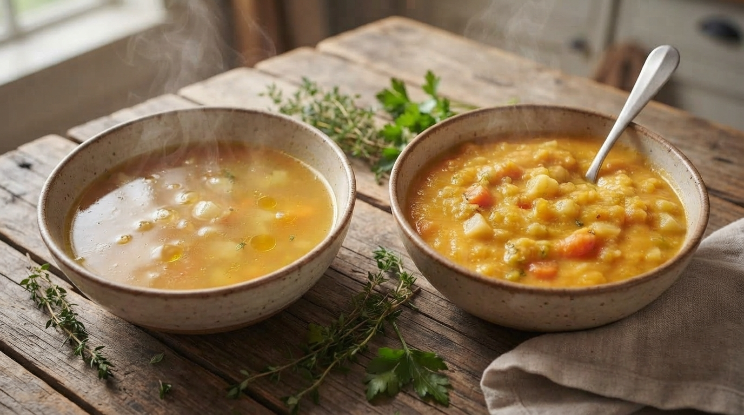
Adding too much thickener at once is the most frequent misstep, since starches like cornstarch keep thickening as they cool, so a soup that looks right on the stove can turn gluey on the table. Boiling cornstarch or arrowroot too long also breaks down their power. Relying on potatoes or beans without tasting as you go can leave soup heavy or bland, so re season after thickening. Also read How to Soften Hard Brown Sugar Fast (5 Quick Fixes.
Frequently Asked Questions
What is the fastest way to thicken soup without flour?
A cornstarch slurry thickens soup within a couple of minutes of simmering.
Can I use mashed potatoes instead of raw potatoes?
Yes, leftover mashed potatoes stir in easily and thicken soup almost instantly.
Does pureeing vegetables change the flavor?
Not much. Since you are blending what is already in the pot, the flavor mostly just concentrates.
Is cornstarch gluten free?
Yes, which makes it a reliable option when thinking through how to thicken soup without flour for gluten sensitive diets.
Why did my soup turn gummy after adding cornstarch?
Usually too much was added at once or it boiled too long afterward. Add small amounts gradually.
Can I thicken creamy soup without more dairy?
Yes, pureeing vegetables or blending in white beans thickens creamy soup without added fat.
What is the healthiest thickener?
Pureed vegetables or beans, since they add fiber and volume without extra refined starch.
Final Thoughts
There is no single best way to thicken soup without flour. The right method depends on the soup itself. When comparing these options, I would recommend starting with what is already in the pot, whether that means pureeing vegetables or blending in beans, before reaching for a separate thickener like cornstarch.