
Few things derail a Saturday morning pancake plan faster than reaching for the buttermilk carton and finding it empty. If you are searching for the best buttermilk substitute, the good news is that you likely already have what you need, since real buttermilk mostly comes down to two things, acidity and thickness, both of which are easy to recreate with common kitchen staples.
What Buttermilk Actually Does in a Recipe
Modern buttermilk is low fat or skim milk that has been cultured with bacteria, giving it a tangy flavor and a slightly thickened texture. According to King Arthur Baking’s guide to buttermilk substitutes, buttermilk’s real value in a recipe is its leavening ability when paired with baking soda. The acid in buttermilk reacts with baking soda to produce carbon dioxide, which is what gives biscuits their lift and pancakes their fluff. A Kansas State University Extension explainer on chemical leavening confirms that this reaction between an acid and baking soda is what produces the gas bubbles responsible for rise in quick breads. That is why any good buttermilk substitute needs to bring acidity along with it, not just a similar texture.
Milk with Lemon Juice or Vinegar
This is the most common substitute, and for good reason. Stir one tablespoon of lemon juice or white vinegar into one cup of milk, then let it sit for five to ten minutes. You will see small curds form as the acid reacts with the milk proteins, which is completely normal. Whole milk gives the richest texture, but lower fat milk works too, just with a slightly thinner result.
This substitute is best for pancakes, biscuits, and cakes, essentially anywhere the original recipe calls for buttermilk and baking soda together. In my experience, lemon juice gives a slightly brighter flavor while vinegar is more neutral, so lemon juice is my usual pick for sweeter bakes. Also read How to Fix a Broken Sauce: 6 Rescue Methods.
Plain Yogurt
Plain yogurt thinned with a splash of milk or water until it reaches the consistency of heavy cream makes an excellent one to one substitute. Yogurt already has the tang and acidity buttermilk provides, so it works reliably in both baking and marinades. Use about three quarters of a cup of yogurt mixed with a quarter cup of milk to replace one cup of buttermilk.
This substitute holds up particularly well in cakes and muffins, and it also works as a marinade base for chicken since the acidity helps tenderize the meat.
Greek Yogurt
Greek yogurt is thicker and tangier than regular yogurt, so it needs more thinning, usually closer to equal parts yogurt and milk. It brings a slightly richer, more pronounced tang, which some bakers prefer in recipes like buttermilk biscuits where that flavor is meant to stand out. Also read How to Freeze Cooked Rice So It Stays Fluffy.
Kefir
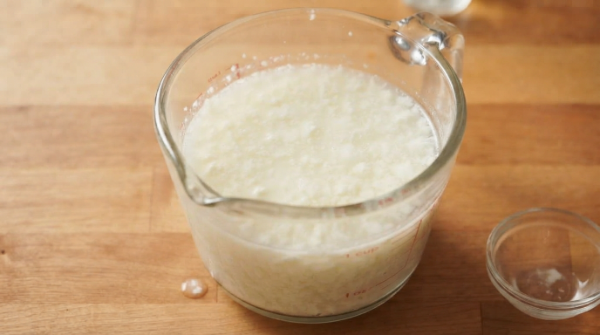
Kefir is a fermented, drinkable dairy product naturally close to buttermilk in texture and acidity, so it can usually be swapped in one to one with no thinning. It is a great option if you keep kefir on hand for drinking, though it is less of a pantry staple than milk or yogurt.
Sour Cream
Sour cream thinned with milk to a pourable consistency works well in baking, particularly in cakes where its higher fat content adds richness. Use about three quarters of a cup of sour cream to a quarter cup of milk for each cup of buttermilk needed.
Cream of Tartar and Milk
If you have no acidic liquid on hand, dissolve one and three quarter teaspoons of cream of tartar into one cup of milk. This is a good backup option, though it lacks some of the body that yogurt or sour cream substitutes bring.
Why Acidity Matters More Than People Realize
When comparing these methods, the acidity is doing real chemical work, not just adding flavor. If a recipe calls for both baking soda and baking powder, the baking soda is almost certainly relying on the buttermilk’s acidity to activate. Substituting plain milk without an acidic component will leave baked goods dense, since the leavening reaction simply will not happen as intended.
Comparison Table
| Substitute | Amount | Best For | Texture | Flavor | Best Use |
| Milk and lemon juice or vinegar | 1 tbsp acid plus milk to 1 cup | Pancakes, biscuits | Slightly thin, curdled | Mildly tangy | Baking |
| Plain yogurt | 3/4 cup yogurt, 1/4 cup milk | Cakes, muffins | Thick, creamy | Tangy | Baking and marinades |
| Greek yogurt | Roughly equal parts yogurt and milk | Biscuits | Rich, thick | Strongly tangy | Baking |
| Kefir | 1 to 1 | Pancakes, baking | Similar to buttermilk | Tangy | Baking and cooking |
| Sour cream | 3/4 cup sour cream, 1/4 cup milk | Cakes | Rich, thick | Tangy, rich | Baking |
| Cream of tartar and milk | 1 3/4 tsp per cup of milk | Emergency backup | Thin | Mild | Baking |
A Practical Kitchen Example
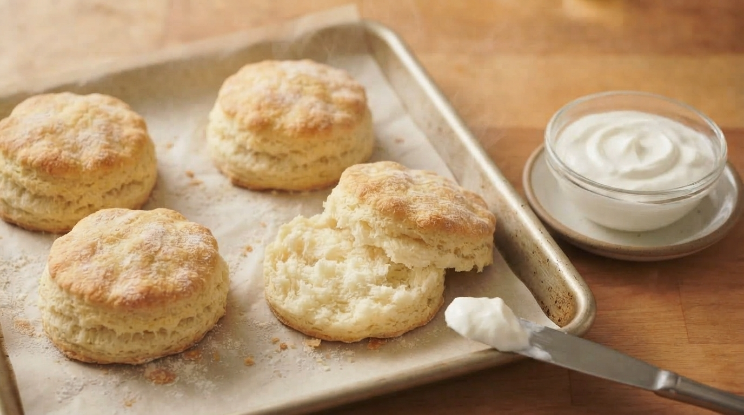
Imagine you are halfway through mixing biscuit dough and realize the buttermilk carton is empty. Rather than running to the store, stir one tablespoon of white vinegar into a cup of whole milk and let it sit while you finish measuring the dry ingredients. By the time you need it, the milk will have thickened and curdled slightly, ready to use exactly as the recipe intended. This kind of quick substitution is one of the most useful tricks a home baker can keep in their back pocket.
Baking Versus Cooking
Substitutes built on milk and acid, yogurt, or sour cream all work well in baking because they preserve the acidity needed for leavening. For savory cooking, like marinades or buttermilk fried chicken, the acidity still matters for tenderizing, but the exact ratio is more forgiving since there is no baking soda reaction to worry about.
Frequently Asked Questions
What is the best buttermilk substitute for pancakes?
Milk with a tablespoon of lemon juice or vinegar is the most reliable option, since it closely matches buttermilk’s acidity and thin texture.
Can I use regular milk instead of buttermilk without any substitute?
Not ideally. Without the added acidity, baking soda will not activate properly, which can leave baked goods dense.
Does the type of milk matter for these substitutes?
Whole milk gives the richest result, but lower fat milk still works, just with a slightly thinner texture.
How long should milk and lemon juice sit before using?
Around five to ten minutes, until you see slight curdling and thickening.
Is Greek yogurt a good buttermilk substitute?
Yes, though it should be thinned with milk since it is much thicker than regular buttermilk.
Can I use a buttermilk substitute in savory cooking as well as baking?
Yes, most of these substitutes work in marinades and sauces, not just baked goods.
What is the best buttermilk substitute if I am also avoiding dairy?
Unsweetened soy milk with a tablespoon of lemon juice or vinegar curdles similarly to dairy milk, making it one of the more reliable dairy free options.
Final Thoughts
There is no single best buttermilk substitute for every situation, but milk with lemon juice or vinegar remains the most dependable all purpose option for baking. When comparing these methods, I would recommend keeping both lemon juice and plain yogurt on hand, since between the two you can cover nearly every recipe that calls for buttermilk.