
That moment when you taste a spoonful of soup or sauce and your mouth puckers from too much salt is one of the more stressful kitchen surprises, but it rarely means the dish is ruined. Learning how to make food less salty comes down to a handful of reliable techniques, from simple dilution to balancing flavors with acid, sweetness, or starch. The right fix depends on what you are cooking and how far along it is.
Why Food Ends Up Too Salty
Oversalting usually happens gradually. Salt gets added early in the cooking process, then again while seasoning, and again if a recipe calls for salty ingredients like broth, soy sauce, or cured meats that already carry sodium. By the time you taste the finished dish, the layers have added up. The fix is not to remove salt, since that is not physically possible once it has dissolved into a dish, but to rebalance the overall flavor.
1. Dilute with Unsalted Liquid
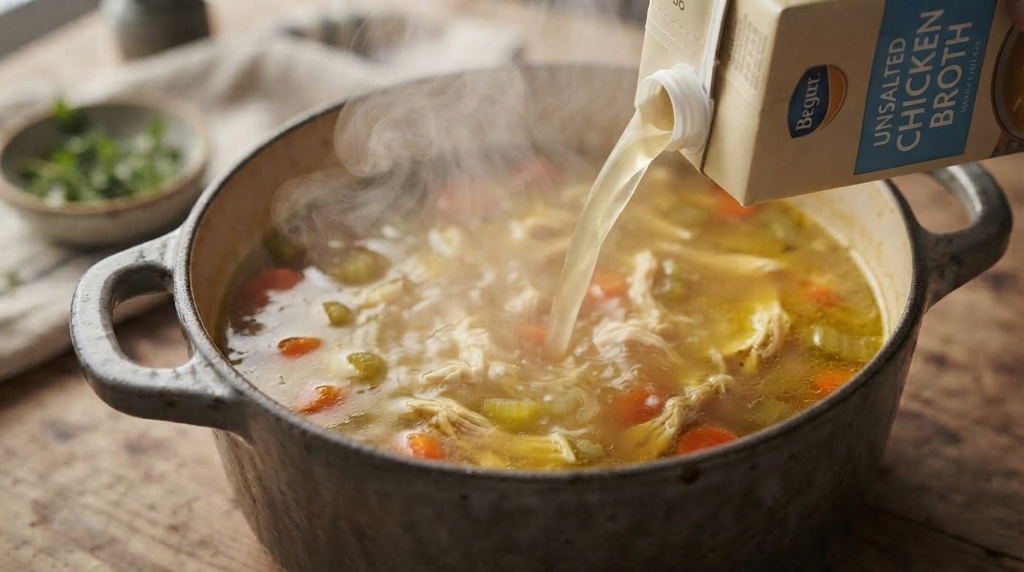
For soups, stews, and sauces, the most straightforward fix is to add more unsalted liquid, such as water or low sodium broth, in small amounts while tasting as you go. This works because it increases the total volume without adding more salt, which lowers the overall concentration. It is the first thing worth trying for any oversalted liquid based dish.
2. Increase the Volume
If you cannot add more liquid without watering down the dish, bulk it up instead. Stir in more unsalted vegetables, unseasoned cooked rice, pasta, or beans. This spreads the existing salt across more food, which is especially useful for stews, chilis, and grain based dishes where extra liquid would change the texture too much. Also read Healthy Meal Prep Bowls: 8 Easy Combinations You Can Build Yourself.
3. Add Starch, Carefully
Potatoes, rice, and pasta are commonly suggested for fixing salty food, but it is worth being precise about why this works. According to MasterClass’s guide on neutralizing salt, adding a raw potato to an oversalted dish is a popular trick, though the effect largely comes from the potato absorbing some liquid and adding bulk rather than magically pulling salt out of the food. Simmer a peeled, diced potato in the dish, then remove it before serving if you only want the diluting effect without the potato itself remaining in the final dish.
4. Balance with Acid
A splash of lemon juice, vinegar, or wine will not reduce the actual salt content, but it changes how your palate perceives it. Acid brightens a dish and distracts the tongue from saltiness, which is why so many oversalted sauces benefit from a final squeeze of lemon just before serving. Start with a small amount, since too much acid introduces its own imbalance.
5. Balance with Sweetness
A small pinch of sugar or a drizzle of honey works on the same principle as acid. It does not remove salt, but it rebalances the overall flavor profile so the saltiness is less dominant. This works especially well in tomato based sauces, where a touch of sweetness is already a natural pairing.
6. Add Dairy
Cream, unsalted butter, sour cream, or a dollop of yogurt can mellow saltiness in creamy soups, casseroles, and sauces. The fat coats the palate and softens how intensely the salt registers, which is why so many rescue techniques for salty dishes lean on dairy when the dish already has a creamy base. Add dairy off the heat when possible to avoid curdling.
7. Rethink the Dish Entirely
Sometimes the most practical fix, especially for oversalted meat or a finished dish with no more room for dilution, is to repurpose it. Chef and food writer Samin Nosrat has recommended shredding an oversalted piece of meat and folding it into a new dish, as reported by Food52, such as a stew, chili, or hash, where it becomes just one component among many rather than the dominant flavor. The same idea works for oversalted vegetables or grains stirred into a larger dish.
A Word on the Potato Myth
It is worth being clear about a common misconception. Potatoes do not chemically extract or absorb salt out of a dish the way many kitchen stories suggest. What they actually do is add unsalted starch and volume, which dilutes the overall salt concentration, the same mechanism behind adding more broth or vegetables. Understanding this distinction helps you choose the right fix rather than relying on a myth that overpromises results.
Comparison Table
| Problem | Best Fix | Why It Works | What to Watch For |
| Oversalted soup | Dilute with unsalted broth or water | Lowers salt concentration | Do not thin the flavor too much |
| Oversalted sauce | Add acid or a touch of sweetness | Rebalances perceived saltiness | Add gradually and taste often |
| Oversalted stew or chili | Increase volume with unsalted vegetables or beans | Spreads salt across more food | May change texture slightly |
| Oversalted meat | Shred and repurpose into a new dish | Salt becomes one part of a larger flavor | Best for finished, cooked meat |
| Oversalted creamy dish | Stir in unsalted dairy | Fat softens salt perception | Add off heat to prevent curdling |
A Practical Kitchen Example
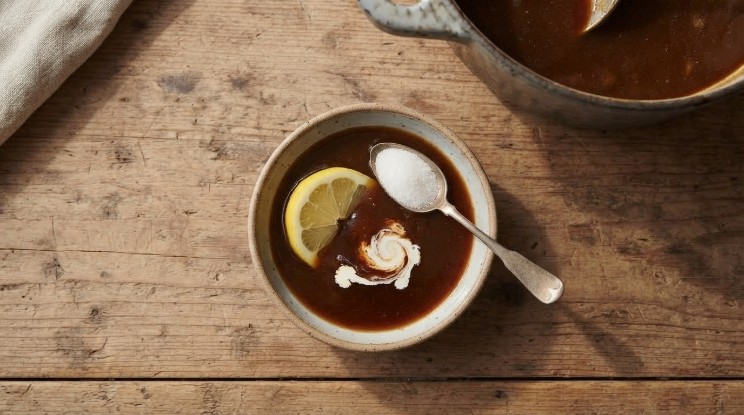
Imagine a pot of tomato sauce that turned out too salty after reducing for an hour, concentrating the salt along with the flavor. Rather than starting over, stir in a small can of unsalted crushed tomatoes to both dilute the sauce and restore some of the volume lost to reduction, then add a small pinch of sugar to round out the flavor. Taste as you go, adjusting in small increments rather than all at once. This combination of dilution and flavor balancing is often more effective than relying on a single fix.
Common Mistakes to Avoid
Adding more salt to try to balance salt is never the answer, since it only deepens the problem. Dumping in a large amount of liquid or starch all at once, rather than adjusting gradually, can overcorrect and leave the dish bland or watery. Finally, relying solely on the potato trick as a cure all can lead to disappointment, since its effect is modest compared to genuine dilution or flavor balancing.
Frequently Asked Questions
What is the fastest way to make food less salty?
Diluting with unsalted liquid works fastest for soups and sauces, since it immediately lowers the salt concentration.
Does adding a potato actually remove salt from soup?
Not in the way many people assume. It mainly adds volume and absorbs some liquid, which dilutes the overall saltiness rather than extracting it.
Can I fix an oversalted dish that has no extra liquid to add?
Yes, increasing volume with unsalted starches like rice or vegetables, or repurposing the dish into something new, both work well.
Will sugar make my savory dish taste sweet?
Not if used sparingly. A small pinch is usually enough to rebalance saltiness without adding noticeable sweetness.
Is it safe to rinse oversalted meat before cooking?
Rinsing can help if the meat has been oversalted before cooking, but rinsing already cooked meat is not recommended, since it can affect texture and food safety.
What if my dish is only mildly too salty?
A small squeeze of lemon juice or a splash of vinegar is often enough to rebalance the flavor without needing to dilute the dish.
How do I prevent oversalting in the first place?
Season gradually throughout cooking and taste often, rather than adding all the salt at once near the end.
Final Thoughts
Figuring out how to make food less salty is really about rebalancing rather than removing, whether that means diluting with unsalted liquid, brightening with acid, or simply repurposing an oversalted dish into something new. In my experience, combining two small fixes, like a splash of unsalted broth plus a touch of acid, tends to work better than relying on one dramatic fix alone.