
There is a particular kind of panic that hits when a silky sauce suddenly turns grainy or splits into puddles of fat right before dinner is supposed to hit the table. I have been there more than once, and learning how to fix a broken sauce turned a few near disasters into completely salvageable meals. Here is what actually works, sauce by sauce.
What Does It Mean When a Sauce Breaks
A broken sauce is one where the fat and liquid, which were held together in a stable emulsion, have separated. You will usually see oily droplets pooling on the surface, a grainy or curdled texture, or a sauce that looks thin and watery instead of smooth. Understanding how to fix a broken sauce starts with understanding why emulsions fail in the first place.
Why Sauces Separate
Most sauces that break, including hollandaise, béarnaise, cream sauces, and vinaigrettes, rely on an emulsion, a suspension of tiny fat droplets held in a liquid, usually with help from an emulsifier like egg yolk or mustard. Emulsions break for a few common reasons.
Adding fat too quickly overwhelms the liquid’s ability to hold it in suspension. Overheating an egg based sauce cooks the proteins and causes curdling. Letting a finished sauce sit too long allows it to cool unevenly and lose stability. According to a guide on fixing broken sauces from Blue Apron, a sudden jump in temperature is one of the most common triggers for separation.
Identifying the Type of Broken Sauce
Emulsified Sauces (Hollandaise, Béarnaise, Mayonnaise)
These break when fat is added too fast or when the eggs overheat. You will see oil pooling at the edges or a curdled, grainy texture.
Cream Based Sauces
These often split when acidic ingredients are added too quickly or when the sauce boils instead of simmers. Also read The Beginner’s Meal Prep Grocery List (With a Free Checklist).
Butter Based Sauces (Beurre Blanc)
These are sensitive to temperature swings. Too hot and the butter melts into oil; too cold and it seizes.
Cheese Sauces
These can turn grainy when cheese is added over heat that is too high, causing the proteins to clump.
Rescue Methods That Actually Work
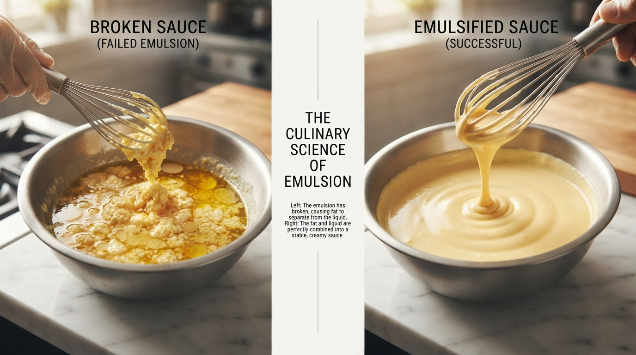
1. Add a splash of cold liquid. For hollandaise or béarnaise, whisking in a teaspoon of cold water off the heat can shock the sauce back into an emulsion. A Chowhound interview with a professional chef confirms that an ice cube whisked into an overheated sauce can bring it back together.
2. Start a new base and whisk the broken sauce in slowly. Instead of throwing the sauce out, whisk a fresh egg yolk or a small amount of liquid in a clean bowl, then add the broken sauce back in drop by drop, exactly the way you would build an emulsion from scratch.
3. Lower the heat and whisk continuously. If a cream sauce starts to look grainy while cooking, pulling it off high heat and whisking vigorously over low heat can often bring it back before it fully separates.
4. Add fat back in gradually. If a sauce looks thin and separated, whisking in small amounts of soft butter or oil, a little at a time, can restore body.
5. Use a blender or immersion blender. The mechanical action of blending can re-emulsify a broken sauce far more effectively than whisking by hand, especially for vinaigrettes and creamy sauces.
6. Reduce and rebuild. For sauces that have truly split beyond rescue, reducing the liquid slightly and rebuilding the emulsion with a fresh emulsifier, such as a spoonful of mustard or an egg yolk, is often the most reliable fix. Also read Easy Gluten Free Meal Prep Recipes for a Simple Week.
Troubleshooting Table
| Sauce Problem | Likely Cause | Rescue Method |
| Oily droplets on hollandaise | Fat added too quickly | Whisk into a fresh yolk, add broken sauce slowly |
| Grainy cream sauce | Boiled instead of simmered | Lower heat, whisk in a splash of cream |
| Curdled cheese sauce | Heat too high | Remove from heat, whisk in cold milk |
| Split beurre blanc | Butter overheated | Whisk in an ice cube off heat |
| Thin, watery vinaigrette | Not enough emulsifier | Add mustard or honey, blend well |
Expert Tips
Working over consistent, moderate heat prevents most emulsions from breaking in the first place. Adding fat in a slow, steady stream while whisking constantly gives the liquid time to absorb it properly. Keeping a small bowl of cold water nearby while making egg based sauces gives you a fast fix the moment you notice trouble starting.
Real Life Example
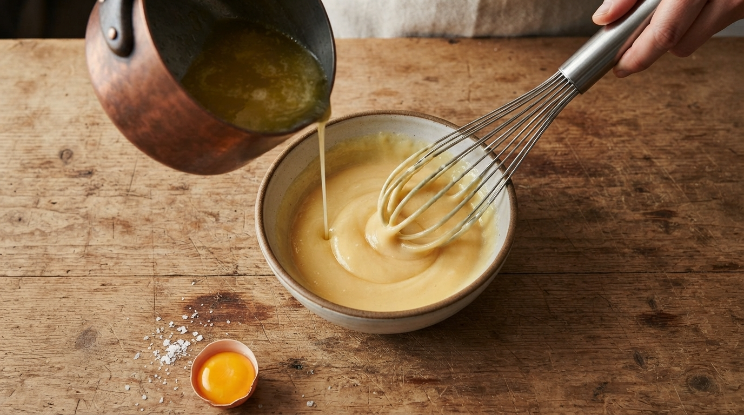
According to the same Chowhound feature on hollandaise, a chef explained that whisking gradually warmed or chilled water into a hollandaise, depending on whether the sauce broke from too much heat or too little, brings the emulsion back together through a combination of temperature correction and mechanical agitation. This is a practical, repeatable fix rather than a one time trick, and it lines up with what I have found whisking my own sauces back from the brink.
Frequently Asked Questions
Can you fix a broken sauce after it has cooled completely?
Yes, in most cases. Gently rewarming while whisking, or building a fresh base and adding the sauce back slowly, usually works even after cooling.
Why does my hollandaise keep breaking?
It is almost always due to heat that is too high or fat added too quickly. Slowing down the process solves this for most home cooks.
What is the fastest way to fix a broken sauce?
Whisking in a small amount of cold water or an ice cube is usually the quickest fix for emulsified sauces like hollandaise.
Can a broken cream sauce be saved?
Often yes, by lowering the heat immediately and whisking in a bit of fresh cream.
Does blending fix a broken sauce better than whisking?
For many sauces, yes, since the mechanical force of a blender re-emulsifies fat and liquid more thoroughly than hand whisking.
Conclusion
Learning how to fix a broken sauce is really about understanding what kind of sauce you are dealing with and matching the rescue method to the cause. Whether it is a splash of cold water, a slow rebuild with a fresh emulsifier, or a quick pass with a blender, most broken sauces can be saved with a bit of patience and the right technique.