
Banana Bread Without Baking Soda: Easy, Moist, and Delicious Recipe
Banana bread is one of the easiest homemade baked treats, especially when you have ripe bananas sitting on your kitchen counter. But what happens when you want to bake banana bread without baking soda? The good news is that you can still make a delicious, tender loaf using a suitable alternative.
This banana bread without baking soda recipe is simple, beginner-friendly, and perfect for breakfast, an afternoon snack, or a homemade dessert. It uses everyday ingredients and offers a wonderful way to turn overripe bananas into something special.
Whether you have run out of baking soda or simply prefer another leavening ingredient, this guide will explain what to use, how to prepare the batter, and how to bake a flavorful loaf at home.
Why Make Banana Bread Without Baking Soda?
Baking soda is a common ingredient in banana bread because it helps baked goods rise when combined with acidic ingredients. However, it is not the only option available.
You can use baking powder as an alternative because it contains both an alkaline ingredient and an acid that react when moisture is added. This makes it convenient for recipes that do not include baking soda.
When making banana bread without baking soda, remember that the amount and type of leavening agent can affect the texture. The goal is to create a loaf that is moist, soft, and easy to slice without becoming dense or gummy.
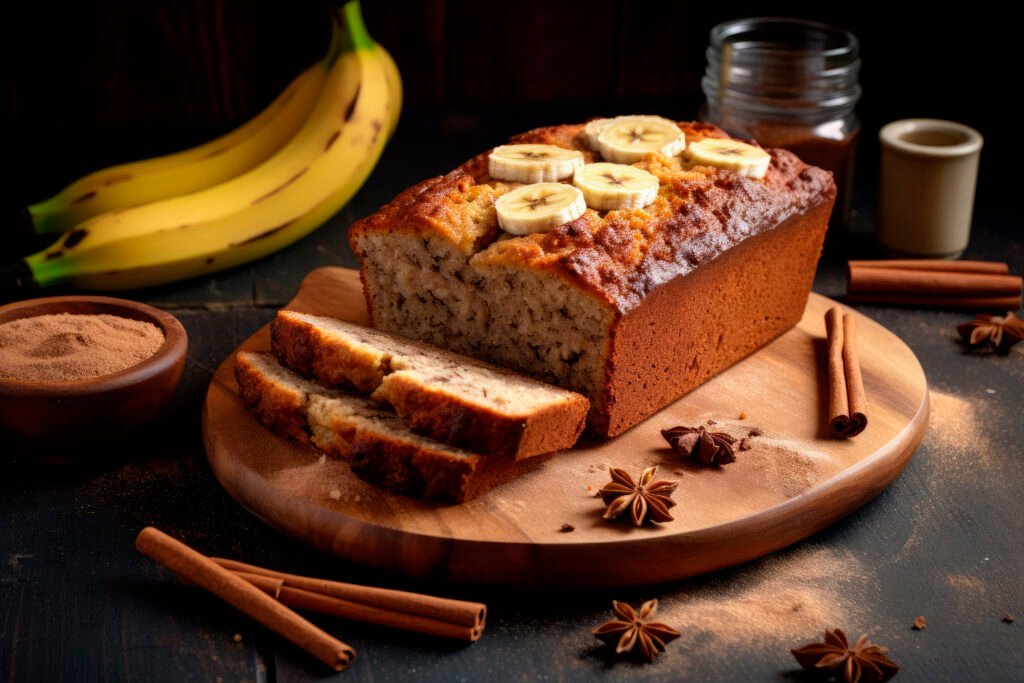
Ingredients for Banana Bread Without Baking Soda
Prepare the following ingredients before you begin.
- 3 medium ripe bananas, mashed
- 1 ½ cups all-purpose flour
- ¾ cup granulated sugar
- 1 large egg
- ⅓ cup melted butter
- 2 teaspoons baking powder
- 1 teaspoon vanilla extract
- ¼ teaspoon salt
- ½ teaspoon ground cinnamon, optional
Choose bananas with plenty of brown spots because they are usually sweeter and easier to mash. If your bananas are not very ripe, the finished loaf may have a less pronounced banana flavor.
For a slightly less sweet loaf, you can reduce the sugar modestly. Keep in mind that sugar also contributes to moisture, browning, and texture.
How to Make Banana Bread Without Baking Soda
Step 1: Preheat the Oven
Preheat your oven to 350°F (175°C). Grease a standard 9-by-5-inch loaf pan or line it with parchment paper.
Preparing the pan first makes it easier to transfer the batter and remove the bread after baking.
Step 2: Mash the Bananas
Place the peeled bananas in a large mixing bowl. Mash them with a fork until mostly smooth, leaving a few small pieces if you enjoy extra banana texture.
Very ripe bananas work especially well because they provide natural sweetness and moisture.
Step 3: Combine the Wet Ingredients
Add the melted butter, sugar, egg, and vanilla extract to the mashed bananas. Whisk until the ingredients are evenly combined.
Allow the melted butter to cool slightly before adding it to the egg. This helps prevent the egg from cooking prematurely.
Step 4: Mix the Dry Ingredients
In a separate bowl, combine the flour, baking powder, salt, and optional cinnamon.
Mixing the dry ingredients separately helps distribute the baking powder evenly throughout the batter, which supports a more consistent rise.
Step 5: Combine the Mixtures
Add the dry ingredients to the banana mixture. Stir gently until no large pockets of dry flour remain.
Avoid overmixing. Excessive stirring can develop gluten in the flour and produce a tougher loaf. A few small lumps in the batter are perfectly acceptable.
Step 6: Transfer the Batter
Pour the batter into the prepared loaf pan. Use a spatula to spread it evenly.
If desired, sprinkle a small amount of cinnamon or add a few chocolate chips to the top before baking.
Step 7: Bake Until Golden
Bake for approximately 50–60 minutes, checking the loaf toward the end of the baking time.
Insert a toothpick into the center. If it comes out clean or with a few moist crumbs, the bread is generally ready. If wet batter sticks to the toothpick, continue baking and check again after several minutes.
Ovens vary, so baking time may differ. If the top becomes too dark before the center finishes cooking, loosely cover it with aluminum foil.
Step 8: Cool Before Slicing
Let the loaf rest in the pan for around 10–15 minutes. Then transfer it to a wire rack to cool.
Allowing the bread to cool helps it finish setting and makes cleaner slices possible. Cutting it while very hot may cause the center to crumble.
What Can You Use Instead of Baking Soda?
If you are preparing banana bread without baking soda, baking powder is usually the most convenient substitute.
Baking Powder
Baking powder is the recommended alternative for this recipe. The formula above uses 2 teaspoons to help the loaf rise.
Although baking soda and baking powder serve similar purposes, they are not identical. Baking soda requires sufficient acid in the batter, while baking powder includes an acid component.
Self-Rising Flour
Self-rising flour already contains a leavening agent and salt. However, switching to it requires adjusting the flour and salt in your recipe. Follow a recipe specifically developed for self-rising flour rather than substituting it without changes.
Whipped Eggs
Beaten eggs can incorporate air into some baking mixtures, but they are not a direct replacement for baking soda. Changing the egg preparation alone may not produce the same texture as a properly balanced banana bread recipe.
For the most predictable result, use baking powder and measure your ingredients accurately.
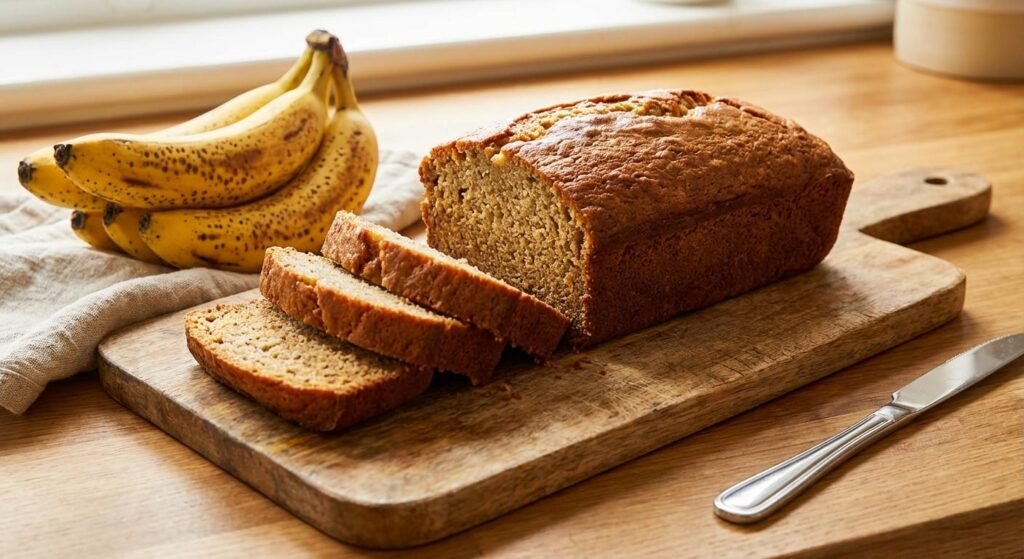
Tips for Soft and Moist Banana Bread
Use Very Ripe Bananas
Bananas with brown spots provide excellent sweetness and a strong banana flavor. They also mash easily, helping the batter come together smoothly.
Measure the Flour Correctly
Too much flour can make banana bread dry and heavy. For the best results, use a kitchen scale or gently spoon flour into a measuring cup and level it off without packing it down.
Avoid Overmixing
Once the flour is added, stir only until the ingredients are combined. This simple technique helps keep the crumb tender.
Check the Center Carefully
A golden crust does not necessarily mean the center is fully baked. Use a toothpick to check the thickest part of the loaf before removing it from the oven.
Let It Cool Properly
Cooling allows the internal structure to set. It also helps prevent the loaf from breaking apart when sliced.
Optional Variations to Try
One advantage of homemade banana bread is how easily you can customize it.
Chocolate chip banana bread: Fold ½ cup of chocolate chips into the batter before baking.
Walnut banana bread: Add ½ cup of chopped walnuts for crunch and a nutty flavor.
Cinnamon banana bread: Increase the cinnamon slightly for a warmer, spiced flavor.
Whole-wheat variation: Replace part of the all-purpose flour with whole-wheat flour. Because whole-wheat flour absorbs more liquid, the texture may become denser.
Dairy-free version: Use a suitable plant-based butter alternative. Check the product label to ensure it works for baking.
If you add extra ingredients, avoid adding excessive amounts of wet ingredients because they can change the baking time and texture.
How to Store Homemade Banana Bread
Allow the loaf to cool completely before storing it.
At room temperature, place banana bread in an airtight container and store it in a cool, dry place. For the best quality, consume it within about 2–3 days.
If you want to keep it longer, refrigerate it in an airtight container for approximately one week, understanding that refrigeration may make the texture firmer.
You can also freeze individual slices or the entire loaf. Wrap the bread tightly in freezer-safe wrapping, place it in a freezer bag or container, and label it with the date. For the best quality, use frozen banana bread within about 2–3 months.
Thaw slices at room temperature or warm them gently before serving.
Common Mistakes to Avoid
Using unripe bananas: Less-ripe bananas usually provide less sweetness and a milder flavor.
Adding too much flour: Excess flour can make the bread dry and compact.
Overmixing the batter: Too much mixing can produce a tougher texture.
Opening the oven too early: Frequent opening can cause temperature fluctuations while the loaf is rising.
Removing the bread too soon: An underbaked center may look cooked on the outside but remain sticky inside.
Skipping the cooling period: Slicing too early can make the loaf crumble or appear gummy.
Avoiding these mistakes will help you achieve a more consistent result with your banana bread without baking soda.
Frequently Asked Questions
1. Can you make banana bread without baking soda?
Yes. You can make banana bread without baking soda by using a suitable alternative, such as baking powder. The recipe may need adjustments depending on the ingredients and proportions.
2. What is the best substitute for baking soda in banana bread?
Baking powder is generally the easiest substitute. It contains ingredients that help baked goods rise and can be used in a recipe designed around baking powder.
3. Will banana bread rise without baking soda?
Yes. Banana bread can rise with baking powder. Without an appropriate leavening agent, however, the loaf may be denser and heavier.
4. Why is my banana bread dense?
Common reasons include adding too much flour, overmixing the batter, using an unsuitable leavening amount, or removing the loaf before the center has finished baking.
5. Can I use frozen bananas?
Yes. Thaw frozen bananas completely before using them. Drain excess liquid if necessary, and mash the bananas before adding them to the batter.
6. How do I know when banana bread is ready?
The top should be golden, and a toothpick inserted into the center should come out clean or with a few moist crumbs rather than wet batter.
7. Can I make banana bread without butter?
Yes. A suitable neutral-flavored oil can replace melted butter in many banana bread recipes. The flavor and crumb may differ slightly.
8. Can I freeze banana bread?
Yes. Cool it completely, wrap it tightly, and freeze it in a suitable container. Individual slices are convenient when you want to thaw only one serving.
Conclusion
Making banana bread without baking soda is simple when you use an appropriate alternative and follow a reliable method. Baking powder helps the loaf rise, while ripe bananas provide natural sweetness, moisture, and a rich flavor.
For the best results, measure your flour carefully, avoid overmixing, bake until the center is done, and allow the loaf to cool before slicing. You can also experiment with chocolate chips, walnuts, or cinnamon to create a version that suits your taste.
Try this easy recipe whenever you have ripe bananas available, and enjoy a homemade loaf for breakfast, a snack, or dessert.
Pingback: Chocolate Chip Cookies Without Brown Sugar: Easy Recipe