
Anyone who has bitten into a rubbery piece of reheated chicken or a bowl of pasta that turned into a dry, clumpy mess understands the real problem with meal prep. Cooking the food was never the hard part. Bringing it back to life a few days later without ruining it is.
How you reheat meal prep meals matters just as much as how you cook them the first time. Different foods need different approaches, and a single “microwave for two minutes” method simply does not work across rice, chicken, vegetables, pasta, soup, and casseroles.
This guide breaks down what actually works for each type of food, along with the food safety basics that keep reheated meals both safe and enjoyable.
The Core Reheating Methods
Microwave: fastest option, best for single portions, but prone to uneven heating and drying food out if used carelessly.
Oven: slower, but far better at restoring texture to baked dishes, casseroles, and roasted proteins. According to extension food safety guidance, when reheating meat and poultry in the oven, the temperature should be set no lower than 325°F.
Stovetop: ideal for anything with sauce, pasta, stir fries, or dishes that benefit from active stirring and a splash of added liquid.
Across every method, the food safety target stays the same. Leftovers should be reheated to 165 degrees Fahrenheit, and when using a microwave, food should be spread evenly and covered for more even heatin. Using a food thermometer is the only reliable way to confirm the center of the food has actually reached that temperature, especially with thicker portions.
Reheating by Food Type
Rice Based Meals
Rice dries out and turns hard when reheated without any added moisture. Sprinkle a tablespoon or two of water over the rice before microwaving, cover it, and stir halfway through. On the stovetop, a splash of water or broth in a covered pan over low heat works even better and helps loosen up any clumping.
Chicken
Chicken is the food most likely to end up rubbery after reheating, mainly because it overcooks fast the second time around. Slice it before reheating so heat distributes more evenly, add a small amount of broth or sauce to keep moisture in, and heat gently rather than blasting it on full power. In the oven, cover the chicken loosely with foil to trap steam while it reheats. Also read How to Meal Prep Chicken for the Week: 3 Easy Methods.
Vegetables
Roasted vegetables reheat best in the oven or a dry skillet, since this helps them regain some of their original texture instead of turning soggy in the microwave. Steamed or boiled vegetables reheat fine in the microwave with a small splash of water and a cover. Avoid overheating vegetables, since they can quickly go from tender to mushy.
Pasta
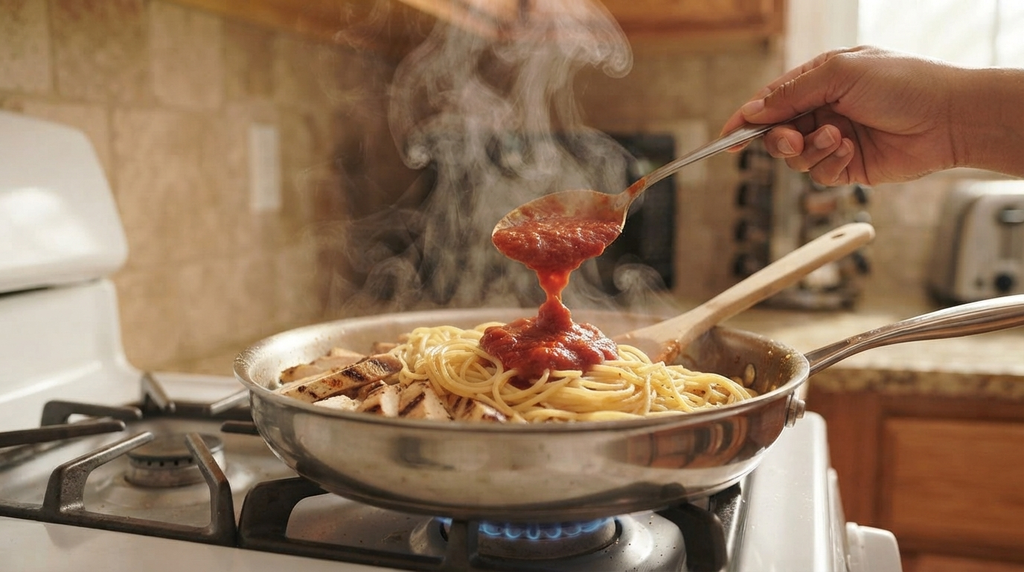
Add a splash of water, broth, or extra sauce before reheating pasta, since it absorbs moisture as it sits and dries out otherwise. Stovetop reheating in a covered pan over low to medium heat, stirring occasionally, keeps pasta from clumping into a solid block the way a dry microwave reheat often does.
Casseroles
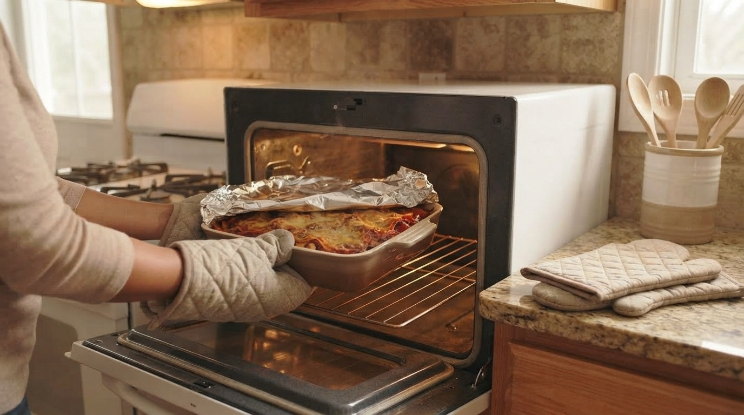
Casseroles are one of the few dishes that genuinely benefit from oven reheating over microwave reheating, since the oven heats the dish more evenly all the way through instead of leaving cold spots in the center. Cover with foil for the first part of reheating to trap moisture, then remove the foil for the last few minutes if you want the top to crisp back up.
Soups and Stews
Soups and stews are the most forgiving meal prep food to reheat. Sauces, soups, and gravies should be reheated by bringing them to a rolling boi, whether on the stovetop or in short microwave bursts with stirring in between. Stir occasionally to distribute heat evenly and prevent the bottom from scorching in a pot.
Meal Type, Reheating Method, and Practical Tips
| Meal Type | Best Reheating Method | Practical Tip |
| Rice based meals | Microwave or stovetop | Add a splash of water and cover before heating |
| Chicken | Oven or stovetop | Slice first, add broth or sauce, cover loosely |
| Vegetables | Oven or dry skillet | Avoid overheating to prevent mushiness |
| Pasta | Stovetop | Add sauce or water and stir often |
| Casseroles | Oven | Cover with foil, uncover near the end for texture |
| Soups and stews | Stovetop or microwave | Bring to a rolling boil, stir regularly |
Preventing Dry, Rubbery, or Watery Results
Dryness usually comes from reheating food without any added liquid, so a splash of water, broth, or sauce before reheating solves most of it. Rubbery textures, especially in chicken and seafood, usually come from overheating or reheating at too high a power setting, so lower power with a longer reheat time tends to produce better results than a quick blast on high. Watery results, common with vegetables and some sauces, usually mean the food was overheated past the point of no return, so shorter reheating intervals with checks in between help avoid this.
When to Add Sauce and When to Keep Ingredients Separate
Adding sauce before reheating helps moisture rich dishes like pasta, curries, and braises stay tender. On the other hand, ingredients meant to stay crisp, such as toppings on a rice bowl or crunchy elements in a stir fry, are better kept separate and added after reheating so they do not turn soft in the process.
Stirring and Rotating for Even Heat
Microwaves heat unevenly by nature, leaving hot spots and cold spots in the same dish. Stopping halfway through to stir, or rotating the container if your microwave does not have a turntable, helps distribute heat more evenly and reduces the chance of a lukewarm center next to a scalding edge.
Food Safety Basics for Reheating
Refrigerate meal prepped food within two hours of cooking it, and store it at 40°F or below. When reheating leftovers, they should reach 165°F as measured with a food thermometer, regardless of which method you use. If food has been sitting at room temperature for longer than two hours, it is safer to discard it than to reheat and eat it.
Real Life Example
Consider a typical Wednesday lunch: leftover roasted chicken thighs and rice from Sunday’s batch cook. Straight out of the fridge, the rice has hardened and the chicken looks dry around the edges. Adding a splash of water to the rice, slicing the chicken, and covering both loosely while microwaving in short bursts with a stir in between brings both dishes back to something close to their original texture, rather than the dry, patchy result you get from a single long blast on high power. Also read 10 Easy Meal Prep Recipes for a Stress Free Week.
Common Reheating Mistakes
Reheating on full power without stopping to stir, skipping added moisture, reheating food straight from frozen without extra time, leaving food out too long before refrigerating it in the first place, and assuming every dish reheats the same way are the recurring mistakes behind disappointing leftovers.
Conclusion
Reheating meal prep meals well is not complicated once you match the method to the food. Add moisture where it is needed, choose the oven or stovetop for dishes that benefit from even heat, use the microwave wisely for quick single portions, and always confirm the food has reached a safe internal temperature before eating. Handled this way, your meal prep can taste nearly as good on day four as it did the day you cooked it.
If reheating is part of your weekly routine, pairing it with salads that hold up well in the fridge, covered in Meal Prep Salads That Stay Fresh Without Soggy Greens, or with quick dinners from 10 Minute Simple Dinner Recipes to Dine and Run, rounds out a full week of practical meal prep.
FAQs
What temperature should meal prep meals be reheated to?
Leftovers should be reheated to an internal temperature of 165°F, checked with a food thermometer, regardless of whether you use a microwave, oven, or stovetop.
Why does my meal prep chicken turn rubbery when reheated?
Chicken usually turns rubbery from overheating or reheating on full power. Slicing it, adding a little broth, and reheating gently at a lower power setting helps preserve texture.
How do I stop rice from drying out when reheating it?
Add a small splash of water before reheating, cover the container, and stir partway through so moisture spreads evenly.
Is it better to reheat leftovers in the oven or the microwave?
It depends on the food. Casseroles, roasted proteins, and vegetables generally do better in the oven, while single portions and moisture rich foods like soup often reheat fine in the microwave.
Can I reheat meal prep food straight from the freezer?
Yes, it is safe to reheat frozen leftovers without thawing first, though it will take longer to reach a safe internal temperature than food that has already been thawed.
How long can meal prep meals sit in the fridge before reheating them?
Refrigerated leftovers are generally good for three to four days, and food should be refrigerated within two hours of cooking to stay safe.
Why do reheated soups and stews taste better than other reheated meals?
Soups and stews hold moisture naturally, and bringing them to a rolling boil while stirring distributes heat evenly, which is why they tend to reheat with less texture loss than solid foods like chicken or pasta.